Most American builders are rethinking their approach as off-site construction can cut project schedules by as much as 60 percent. With global markets demanding faster delivery, project managers and marketing directors know time is money when seeking qualified leads. This guide breaks down the real differences and direct benefits between off-site and traditional methods, making it simple to spot new opportunities for cost savings, consistency, and satisfied clients.
Table of Contents
- Defining Off-Site Versus On-Site Construction
- Major Types of Off-Site Building Methods
- Core Processes And Workflow Advantages
- Financial Impacts And ROI Comparisons
- Risks, Limitations, And Mistakes To Avoid
Key Takeaways
| Point | Details |
|---|---|
| Off-Site Construction Efficiency | Off-site construction significantly reduces project timelines and enhances quality control through factory-based production. |
| Financial Considerations | While initial costs may be high, off-site methods often lead to lower long-term labor and maintenance expenses, enhancing overall ROI. |
| Risk Management | Effective communication and thorough planning are crucial to mitigating risks associated with design coordination, supply chains, and regulatory compliance. |
Defining Off-Site Versus On-Site Construction
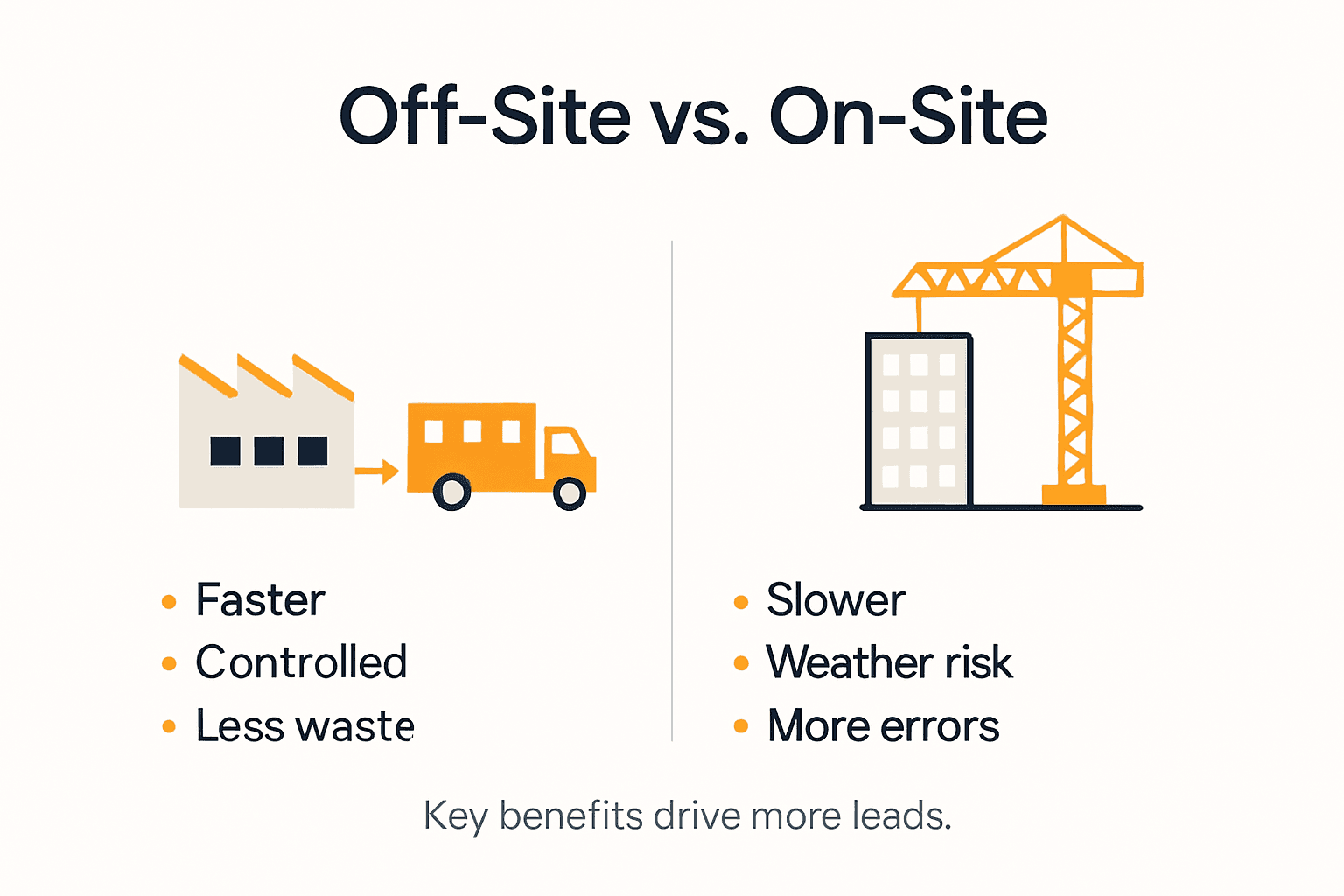
Off-site construction represents a transformative approach to building design and manufacturing that fundamentally differs from traditional on-site construction methods. At its core, off-site construction involves planning, designing, and fabricating building components in a controlled factory environment before transporting them to the final installation site. Systematic research highlights the significant differences between these approaches, revealing critical advantages in efficiency and sustainability.
Traditional on-site construction has long been characterized by manual labor performed directly at the project location, with workers completing each stage of building from foundation to finish on the actual site. By contrast, off-site construction shifts much of the manufacturing process into specialized facilities where components can be precision-engineered, quality-controlled, and assembled with greater technological sophistication. Off-site construction techniques support integrated planning and supply chain optimization, enabling builders to create more consistent, reliable building elements with reduced waste and improved performance.
The key distinctions between these approaches extend beyond mere location. Off-site construction offers substantial benefits including:
- Reduced construction timelines
- Enhanced quality control
- Lower labor costs
- Minimized environmental disruption
- Increased predictability in project outcomes
While on-site construction remains prevalent, off-site methods are rapidly transforming architectural and engineering practices across residential, commercial, and industrial sectors.
Pro tip: Conduct a comprehensive site assessment before transitioning to off-site construction to understand your specific project requirements and potential implementation challenges.
Major Types of Off-Site Building Methods
Off-site construction encompasses several sophisticated building methods that revolutionize traditional construction approaches. The primary categories of off-site construction represent innovative strategies for creating structures with enhanced efficiency and precision, each offering unique advantages for different project requirements.
Modular Construction stands out as a premier off-site building method, involving complete three-dimensional building sections fabricated in controlled factory environments. These modules are transported to the construction site and assembled like large building blocks, enabling rapid deployment across residential, commercial, and industrial projects. Community-based organizations increasingly leverage modular techniques to address housing challenges with remarkable flexibility, demonstrating the method’s adaptability.
Additional prominent off-site construction methods include:
- Panelized Systems: Factory-produced wall, floor, and roof panels shipped and assembled on-site
- Prefabricated Structural Components: Precision-engineered building elements manufactured off-site
- Relocatable Buildings: Temporarily or permanently movable structures designed for quick deployment
- Volumetric Construction: Complete room or building section modules created as self-contained units
Each method offers distinct benefits, allowing builders to select the most appropriate approach based on project specifications, budget constraints, and desired outcomes.
Here is a concise comparison of major off-site construction methods:
| Method | Typical Use Cases | Assembly Speed | Flexibility |
|---|---|---|---|
| Modular Construction | Apartment buildings, hotels | Very rapid install | Moderate design |
| Panelized Systems | Residential homes, low-rise offices | Fast erection | High layout |
| Prefabricated Components | Bridges, structural frames | Moderate speed | Limited shapes |
| Relocatable Buildings | Temporary schools, site offices | Extremely quick | High mobility |
| Volumetric Construction | Dormitories, hospitals | Fast install | Partial layout |
Pro tip: Conduct a comprehensive feasibility study comparing different off-site construction methods to determine the most cost-effective and efficient approach for your specific project requirements.
Core Processes and Workflow Advantages
Off-site construction fundamentally transforms traditional building workflows through sophisticated manufacturing and coordination strategies. Advanced digital technologies like Building Information Modeling enable unprecedented workflow optimization and process integration, creating unprecedented efficiencies across design, fabrication, and installation stages.
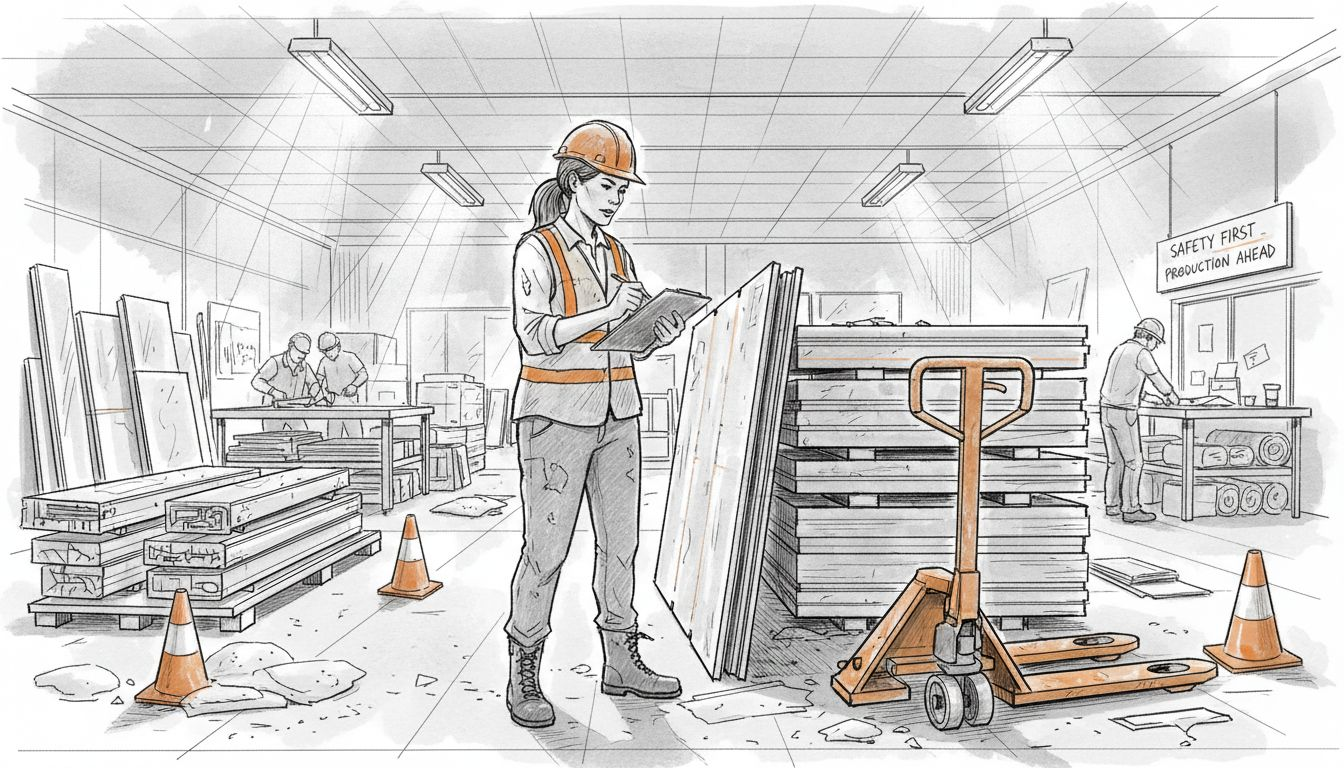
The core processes of off-site construction distinguish themselves through remarkable parallelization capabilities. Unlike traditional construction methods, these workflows allow simultaneous manufacturing of building components and site preparation, dramatically reducing overall project timelines. European Union research indicates that off-site construction can compress project schedules by 20-60%, representing a transformative approach to building development.
Key workflow advantages of off-site construction include:
- Predictable Production Schedules: Controlled factory environments enable precise planning
- Reduced On-Site Labor Requirements: Most complex fabrication happens before site arrival
- Enhanced Quality Control: Standardized manufacturing processes minimize human error
- Improved Safety Metrics: Reduced on-site construction time decreases workplace accident risks
- Sustainability Benefits: Streamlined processes generate less material waste
These workflow innovations represent a fundamental reimagining of construction methodology, prioritizing efficiency, precision, and predictability throughout the building process.
The following table highlights workflow and operational impacts of off-site construction:
| Workflow Feature | Impact on Project Management | Resulting Benefit |
|---|---|---|
| Parallel manufacturing | Overlaps site work and production | Shorter project duration |
| Digital coordination tools | Centralizes design changes | Fewer rework instances |
| Labor centralization | More oversight in one location | Fewer on-site accidents |
| Streamlined supply logistics | Predictable material deliveries | Reduced project delays |
Pro tip: Integrate advanced project management software to track and synchronize off-site manufacturing and on-site installation workflows for maximum operational efficiency.
Financial Impacts and ROI Comparisons
Off-site construction represents a complex financial strategy that demands nuanced understanding of short-term investments and long-term returns. Empirical studies reveal that while initial capital requirements are substantial, the method can significantly enhance firm sales and market positioning, creating a compelling economic narrative for forward-thinking builders.
The financial landscape of off-site construction is characterized by strategic trade-offs between upfront costs and sustained operational efficiencies. Research investigating operational performance demonstrates that successful return on investment depends critically on project type, scale, and a firm’s capacity to manage sophisticated production logistics, making careful planning essential for economic success.
Key financial considerations in off-site construction include:
- Reduced Labor Costs: Fewer on-site workers required
- Minimized Material Waste: Precision manufacturing reduces unnecessary expenses
- Shorter Project Timelines: Faster completion means quicker revenue generation
- Lower Maintenance Expenses: Higher quality construction reduces long-term repair costs
- Improved Predictability: More accurate budgeting and financial forecasting
While short-term return on assets might not be immediately apparent, the cumulative financial benefits position off-site construction as a strategic investment for forward-thinking building firms.
Pro tip: Develop comprehensive financial models that account for both direct construction costs and indirect benefits when evaluating off-site construction investments.
Risks, Limitations, and Mistakes to Avoid
Off-site construction presents a complex landscape of potential challenges that demand strategic navigation. Adoption barriers span multiple dimensions, including political, economic, social, technological, environmental, and legal considerations, creating a multifaceted risk environment for builders and developers.
The most significant risks emerge from fragmented regulatory frameworks, skills shortages, and inconsistent communication among project stakeholders, requiring proactive management and comprehensive planning. These challenges can potentially undermine the efficiency gains promised by off-site construction methodologies.
Critical risks and potential mistakes to anticipate include:
- Design Coordination Failures: Incomplete or misaligned architectural specifications
- Stakeholder Communication Gaps: Inadequate information sharing between manufacturers and on-site teams
- Supply Chain Disruption: Vulnerability to logistics and transportation challenges
- Skills and Training Deficits: Insufficient workforce preparedness for advanced manufacturing techniques
- Regulatory Compliance Issues: Navigating complex and sometimes inconsistent building standards
Successful off-site construction strategies require continuous learning, adaptability, and a systematic approach to mitigating these potential pitfalls.
Pro tip: Implement robust communication protocols and cross-functional training programs to bridge knowledge gaps and reduce potential risks in off-site construction projects.
Unlock New Growth Opportunities with Off-Site Construction Lead Generation
The article highlights a crucial challenge in the off-site construction industry: driving consistent, qualified leads for modular, prefab, and container-based building projects. Builders often struggle to stand out in a competitive market while managing complex workflows and financial investments. Your goal is clear — connect with buyers who understand the benefits of off-site construction methods and trust your brand as a knowledgeable market leader.
BoxBuild Agency specializes in solving this exact challenge. We combine strategic funnels, smart use of Google Ads, and data-driven marketing powered by AI to help off-site construction firms turn interest into high-value project wins. Our approach elevates your online presence, increases lead quality, and accelerates sales cycles by showcasing your expertise in modular design, workflow efficiencies, and cost effectiveness.
Ready to drive impactful lead generation that matches the innovative promise of off-site construction? Visit BoxBuild Agency now and discover how to attract the right customers with marketing tailored to your unique business needs. Don’t miss the opportunity to become a trusted industry leader today.
Frequently Asked Questions
What is off-site construction?
Off-site construction involves planning, designing, and fabricating building components in a controlled factory environment before transporting them to the installation site. This method differs significantly from traditional on-site construction.
What are the advantages of off-site construction over traditional methods?
Off-site construction offers several benefits, including reduced construction timelines, enhanced quality control, lower labor costs, minimized environmental disruption, and increased predictability in project outcomes.
How does off-site construction affect project timelines?
Off-site construction can compress project schedules by allowing for parallel manufacturing and site preparation, leading to overall project durations that can be reduced by 20-60% compared to traditional methods.
What are the main types of off-site construction methods?
The primary types of off-site construction methods include modular construction, panelized systems, prefabricated structural components, relocatable buildings, and volumetric construction, each suited for different project needs.