Over thirty percent of recent American construction projects now involve some form of off-site building methods. As demands for faster timelines and higher quality grow, understanding the shifting terminology behind modular, prefabricated, and manufactured solutions becomes essential. This guide lays out the key American off-site construction terms and concepts you need to know, helping clarify the types, processes, and professional roles that drive the evolution of modern building approaches.
Table of Contents
- Defining Off-Site Construction Terms And Concepts
- Major Types: Modular, Prefab, Panelized, And More
- Essential Processes And Methods Explained
- Key Roles And Responsibilities In Off-Site Builds
- Risks, Limitations, And Regulatory Considerations
Key Takeaways
| Point | Details |
|---|---|
| Off-Site Construction Overview | Off-site construction shifts building processes from traditional sites to factory environments, enhancing quality and efficiency. |
| Types of Off-Site Methods | Major methods include modular construction, prefabrication, and panelized construction, each offering unique advantages in efficiency and quality. |
| Key Processes | Essential stages in off-site construction encompass design, manufacturing preparation, and factory production, which streamline workflows and improve quality control. |
| Risk Management | Successful off-site construction requires addressing logistical challenges, regulatory compliance, and technical constraints through proactive risk management strategies. |
Defining Off-Site Construction Terms and Concepts
Off-site construction represents a transformative approach to building that shifts manufacturing from traditional on-site environments to controlled factory settings. According to industry experts, this method involves planning, designing, fabricating, transporting, and assembling building elements in a specialized manufacturing facility, enabling rapid on-site assembly with superior finish quality.
At its core, off-site construction encompasses multiple production strategies, including modular construction, prefabrication, and volumetric manufacturing. These techniques share a fundamental principle: constructing building components or entire structural units in a controlled environment before transporting them to the final project site. Detailed inspection protocols are critical, as many building parts cannot be thoroughly examined once installed without potential disassembly.
The primary categories within off-site construction include:
- Modular Construction: Complete building sections manufactured off-site and transported as near-complete units
- Prefabricated Elements: Individual structural components like wall panels, floor systems, and roof trusses
- Manufactured Homes: Entirely factory-built residential structures transported in sections
- Panelized Construction: Flat, pre-assembled wall, floor, and roof panels shipped for quick on-site assembly
Pro Tip: Strategic Planning: Before initiating an off-site construction project, conduct comprehensive site assessments and transportation logistics analysis to ensure seamless component delivery and installation.
Major Types: Modular, Prefab, Panelized, and More
Off-site construction encompasses diverse manufacturing approaches designed to optimize building production efficiency. Innovative construction solutions include volumetric and non-volumetric methods that fundamentally transform traditional building processes by shifting production from construction sites to controlled factory environments.
The primary types of off-site construction methods represent unique strategies for creating building components and structures:
- Volumetric Modular Construction: Complete three-dimensional building modules manufactured and assembled entirely in factory settings, then transported and connected on-site
- Panelized Construction: Flat, pre-engineered wall, floor, and roof panels manufactured off-site and quickly assembled at the project location
- Prefabricated Elements: Individual structural components like trusses, beams, and wall sections produced in manufacturing facilities
- Non-Volumetric Construction: Smaller structural parts and systems that can be integrated into traditional and modern building approaches
Comprehensive construction outputs span multiple systems, including structural frameworks, building enclosures, internal service infrastructure, and interior partition configurations. Each method offers unique advantages in terms of precision, speed, quality control, and potential cost savings compared to traditional on-site construction techniques.
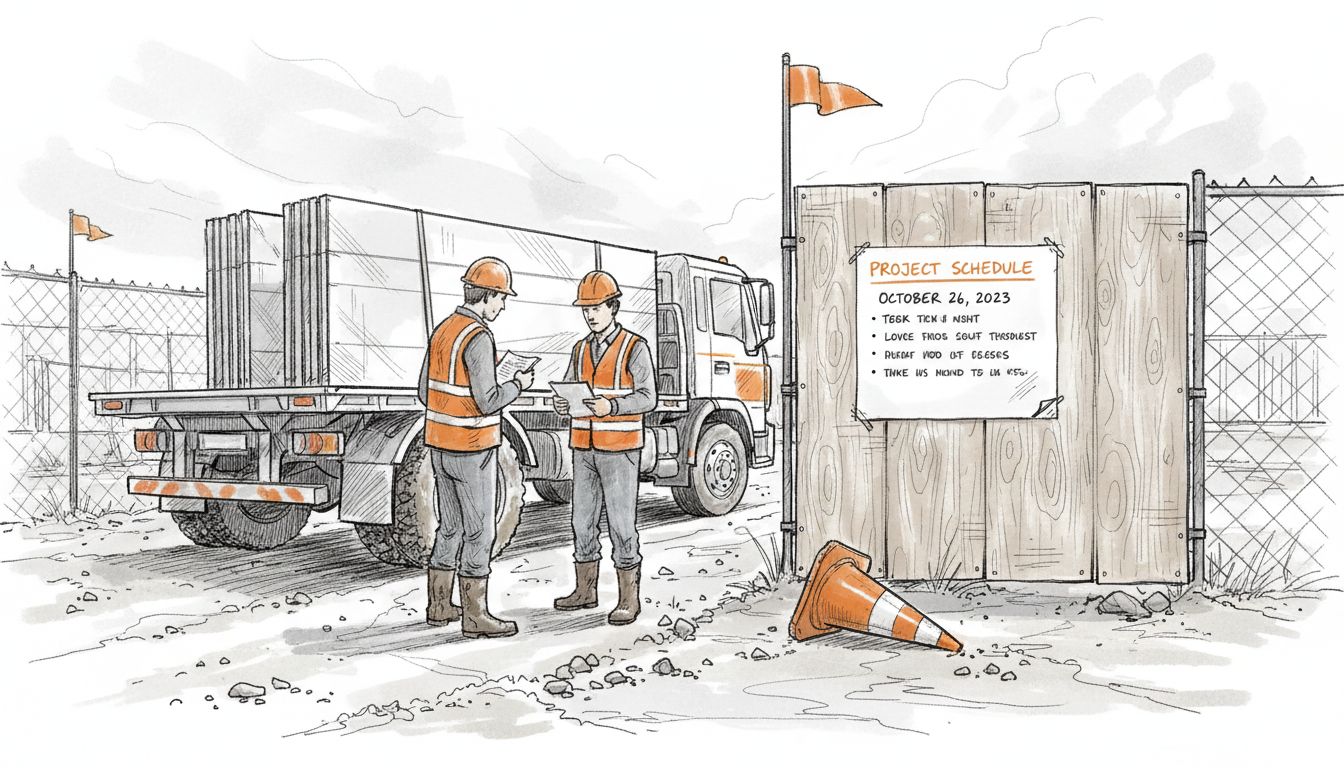
Here’s a comparison of major off-site construction methods:
| Method | Factory Completion Level | Transportation Complexity | Typical Use Cases |
|---|---|---|---|
| Volumetric Modular | High (entire modules) | Requires heavy equipment | Hotels, apartments |
| Panelized | Moderate (flat panels) | Easier, standard trucks | Schools, commercial offices |
| Prefabricated Elements | Low (individual parts) | Flexible, simple load | Structural and interior work |
| Manufactured Homes | Complete homes in parts | Specialized carriers | Residential housing |
Pro Tip: Technical Coordination: Engage structural engineers early in the design process to ensure seamless integration and compatibility between off-site manufactured components and on-site building requirements.
Essential Processes and Methods Explained
Off-site construction represents a sophisticated approach to building that transcends traditional construction methodologies. Strategic integration of systems and supply chains involves comprehensive processes including research, design, testing, and prototyping to enhance overall construction efficiency and quality.
The essential processes in off-site construction can be broken down into several critical stages:
- Design and Engineering
- Comprehensive digital modeling
- Precise component specifications
- Advanced computer-aided design (CAD) techniques
- Manufacturing Preparation
- Material selection and validation
- Precision cutting and fabrication
- Quality control measurements
- Factory Production
- Controlled environment manufacturing
- Standardized assembly techniques
- Consistent quality monitoring
Optimizing construction strategies focus on creating repeatable, scalable processes that minimize waste, reduce construction time, and maximize structural integrity. This approach allows manufacturers to implement rigorous quality control mechanisms that are impossible in traditional on-site construction environments.
Pro Tip: Process Optimization: Develop standardized digital templates and manufacturing protocols to ensure consistent quality and reduce variability across different off-site construction projects.
Key Roles and Responsibilities in Off-Site Builds
Off-site construction demands a complex ecosystem of specialized professionals working in synchronized precision. Collaborative roles and responsibilities span multiple disciplines, ensuring seamless transformation from design concept to finished structure.
The key roles in off-site construction include:
- Architects and Design Engineers
- Develop comprehensive digital blueprints
- Create detailed structural specifications
- Ensure design feasibility for manufacturing
- Manufacturing Specialists
- Transform design concepts into physical components
- Implement precision fabrication techniques
- Maintain rigorous quality control standards
- Logistics and Transportation Experts
- Plan strategic component transportation
- Coordinate safe module and element shipping
- Manage complex loading and unloading protocols
- On-Site Assembly Teams
- Execute precise module connection
- Verify structural integrity
- Complete final site integration
Effective collaboration among architects, engineers, manufacturers, and contractors creates a seamless workflow that transforms prefabricated elements into fully functional structures. Each professional plays a critical role in translating innovative design concepts into tangible, high-quality buildings.
The table below summarizes key roles and their contributions in off-site construction projects:
| Professional Role | Core Responsibility | Impact on Project Success |
|---|---|---|
| Architects & Design Engineers | Digital blueprint development | Design accuracy and manufacturability |
| Manufacturing Specialists | Precision fabrication and QC | Component consistency and reliability |
| Logistics Experts | Transport planning and execution | Timely, secure delivery |
| On-Site Assembly Teams | Module connection and integration | Rapid, high-quality project assembly |
Pro Tip: Role Coordination: Establish clear communication protocols and digital collaboration platforms to ensure smooth information exchange between different professional teams throughout the off-site construction process.
Risks, Limitations, and Regulatory Considerations
Off-site construction presents a complex landscape of potential challenges that require strategic navigation and proactive management. Comprehensive risk assessment involves understanding multiple interconnected factors that can impact project success, from transportation logistics to regulatory compliance.
Key risks and limitations in off-site construction include:
- Logistical Challenges
- Transportation route restrictions
- Weight and dimension limitations
- Complex loading and unloading protocols
- Potential transportation damage risks
- Regulatory Compliance
- Varying local building code requirements
- Inspection and certification complexities
- Potential zoning restrictions
- Regional construction standards variations
- Technical Constraints
- Limited customization options
- Transportation and site access limitations
- Potential structural connectivity challenges
- Module size and weight restrictions
Navigating regulatory frameworks demands meticulous coordination with local authorities, ensuring prefabricated components meet stringent building codes and safety standards. Successful off-site construction requires a proactive approach to identifying and mitigating potential risks throughout the development process.
Pro Tip: Risk Mitigation: Develop a comprehensive risk management checklist that addresses transportation, regulatory, and technical challenges specific to your off-site construction project, and conduct thorough pre-construction assessments.
Unlock Your Off-Site Construction Growth Potential Today
Navigating the complexities of off-site construction terminology and processes can be overwhelming. From modular construction to logistics planning, every detail matters when trying to generate qualified leads and close valuable projects. If you are aiming to position your modular, prefab, or panelized construction business as an industry leader you need marketing strategies that speak directly to your unique challenges such as complex supply chains and regulatory hurdles.
BoxBuild Agency specializes in crafting powerful digital funnels designed precisely for off-site construction companies.
Explore how our data-driven approach using Funnels – BoxBuild and targeted Google Ads – BoxBuild campaigns can solve your lead generation problems with precision. Don’t wait until your competitors take the lead. Visit BoxBuild Agency now to transform your marketing and amplify your project wins starting today.
Frequently Asked Questions
What is off-site construction?
Off-site construction is a building approach that involves manufacturing building components in a factory setting before transporting and assembling them on-site, leading to faster construction times and improved quality.
What are the main types of off-site construction methods?
The main types include modular construction, panelized construction, prefabricated elements, and manufactured homes, each varying in how much of the structure is completed off-site before transportation.
What are the benefits of using prefabricated elements in construction?
Using prefabricated elements can lead to increased precision, reduced construction time, enhanced quality control, and potential cost savings compared to traditional on-site construction methods.
What are the key risks associated with off-site construction?
Key risks include logistical challenges related to transportation, compliance with varying local building codes, and technical constraints like limited customization options and potential structural connectivity issues.