Choosing the right message is never simple when buyers still link modular homes to outdated myths and misunderstandings. For Canadian and American modular home marketing managers, these misconceptions about quality, regulation, and financing continue to impact brand trust and slow lead generation. This guide offers a clear look at factory-based production methods, current market perceptions, and buyer motivations, arming your team with credible facts and practical approaches for stronger market positioning in 2025.
Table of Contents
- Modular Homes Defined And Key Misconceptions
- Types Of Modular Homes And Buyer Segments
- 2025 Marketing Trends And Winning Strategies
- Digital Campaigns For Modular Home Lead Generation
- Common Pitfalls And Brand Trust Challenges
Key Takeaways
| Point | Details |
|---|---|
| Modular Homes Are Efficient | They are built offsite in factories, resulting in less waste and faster construction timelines. |
| Quality Control Is Superior | Factory production allows for consistent quality and adherence to local building codes. |
| Market Perception Challenges Exist | Many believe modular homes are inferior, despite evidence of their durability and value. |
| Targeted Marketing Is Essential | Leveraging digital strategies and personalized content can effectively engage potential buyers. |
Modular Homes Defined and Key Misconceptions
Modular homes represent a revolutionary approach to residential construction, characterized by prefabricated building sections manufactured offsite and assembled at the final location. Unlike traditional stick-built homes, these structures are produced in controlled factory environments with precision engineering and standardized quality control processes.
The fundamental difference lies in their manufacturing approach. While traditional construction happens entirely onsite, modular housing leverages factory-based production methods that enhance efficiency, reduce waste, and accelerate project timelines. Key characteristics of modular homes include:
- Manufactured in controlled indoor environments
- Transported in sections to the building site
- Assembled using standardized connection techniques
- Comply with identical local building codes as traditional construction
- Can be customized to match specific architectural preferences
Despite their innovative approach, modular homes face persistent misconceptions that limit market adoption. Many potential buyers mistakenly believe these homes are of lower quality, less durable, or somehow inferior to traditionally constructed residences. In reality, factory production often allows for more consistent quality control and potentially higher structural integrity.
Modular construction represents a strategic solution to housing challenges, offering improved efficiency and cost-effectiveness compared to traditional building methods.
Structural compliance is another critical aspect frequently misunderstood. Modular homes must meet identical local and state building regulations as conventional homes, ensuring they are structurally sound and safe for occupancy. The manufacturing process actually allows for more precise engineering and quality assurance compared to traditional onsite construction.
Financial institutions and mortgage providers have historically been hesitant about modular homes, creating additional market barriers. However, as industry understanding of factory-built housing evolves, these perceptions are gradually changing, recognizing the economic and efficiency benefits of this construction approach.
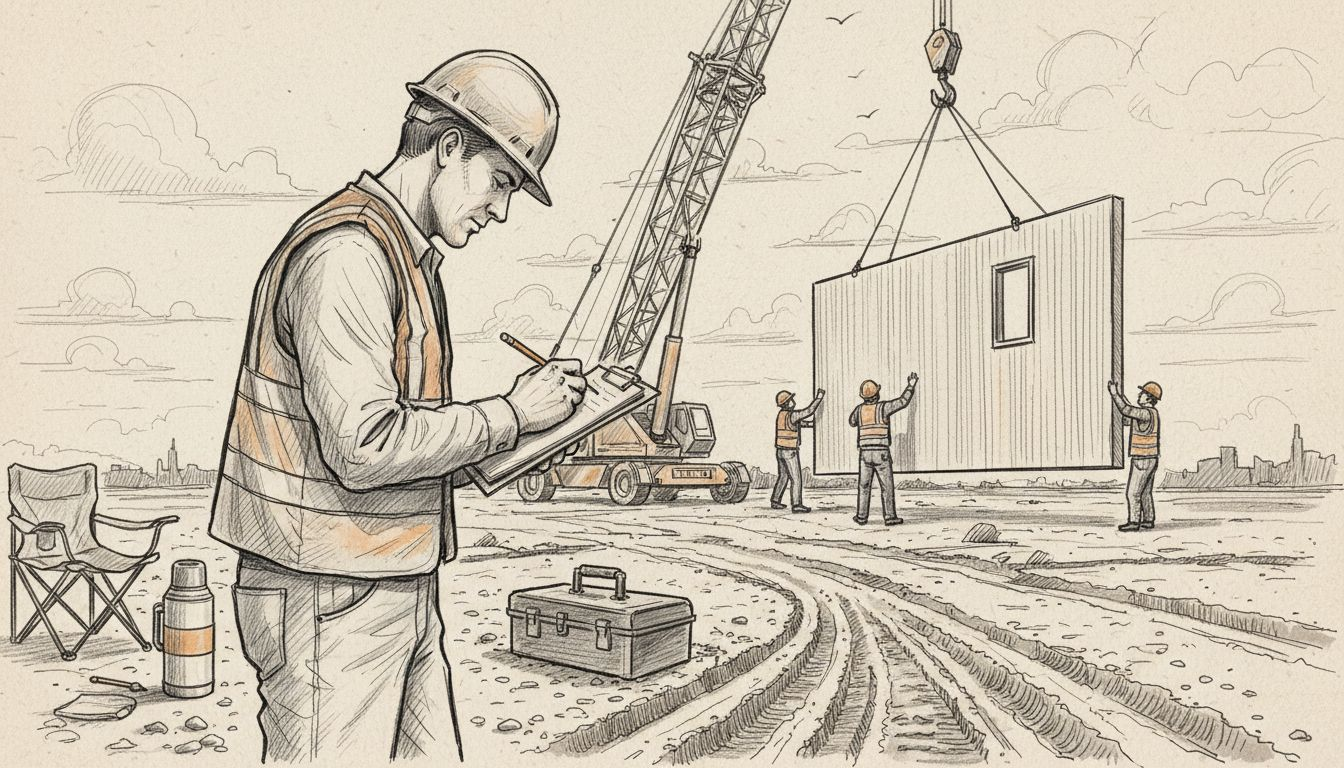
Pro tip: When considering a modular home, request detailed documentation about manufacturing standards, quality control processes, and third-party certifications to address potential buyer concerns about construction quality.
Here’s a concise comparison of modular homes and traditional homes in terms of construction, regulation, and perceived value:
| Aspect | Modular Homes | Traditional Homes |
|---|---|---|
| Construction Location | Factory-built sections assembled onsite | Entirely constructed onsite |
| Quality Control | Standardized factory checks | Variable, dependent on site management |
| Time to Completion | Faster due to parallel processes | Longer, sequential construction stages |
| Regulatory Compliance | Must meet local/state building codes | Must meet local/state building codes |
| Market Perception | Often seen as lower quality (misconception) | Considered standard, high resale appeal |
Types of Modular Homes and Buyer Segments
Modular homes represent a diverse housing solution catering to multiple buyer segments and architectural preferences. Housing design variations provide strategic options for different market needs, ranging from affordable housing to luxury custom residences.
The primary types of modular homes include:
- Single-Section Homes: Compact units ideal for affordable housing or starter homes
- Multi-Section Homes: Larger residences created by connecting multiple modules
- Permanent Foundation Homes: Designed for long-term residential use
- Relocatable Homes: Flexible units suitable for temporary or changeable living arrangements
- Custom Design Homes: Highly personalized modular structures matching specific architectural preferences
Each modular home type targets distinct buyer segments with unique requirements. First-time homebuyers often gravitate toward single-section or multi-section homes due to their affordability and quick construction timelines. Investors and developers recognize modular construction’s potential for rapid deployment and consistent quality.
Modular home designs offer unprecedented flexibility, allowing buyers to customize their living spaces while maintaining cost-effectiveness and construction efficiency.
Buyer segments for modular homes can be strategically categorized based on specific needs and preferences:
- First-Time Homeowners: Seeking affordable, quick-to-construct housing options
- Urban Professionals: Desiring modern, efficient living spaces with minimal construction time
- Sustainable Living Advocates: Attracted to energy-efficient and environmentally conscious housing solutions
- Investors and Developers: Interested in scalable, predictable construction methods
- Post-Disaster Housing Markets: Requiring rapid, standardized rebuilding solutions
Financial considerations play a significant role in modular home adoption. Builders can leverage modular construction advantages to create more competitive and attractive housing solutions across various market segments.
Pro tip: Develop targeted marketing strategies that highlight specific modular home benefits for each buyer segment, emphasizing customization potential and cost-effectiveness.
2025 Marketing Trends and Winning Strategies
Digital marketing for modular homes is rapidly evolving, requiring innovative approaches to capture potential buyers’ attention. Modular construction marketing trends emphasize storytelling and technological engagement to attract modern home buyers and investors.
Key marketing strategies for 2025 include:
- Leveraging data-driven digital campaigns
- Creating immersive virtual home tour experiences
- Highlighting sustainability and efficiency metrics
- Utilizing targeted social media advertising
- Developing personalized content marketing approaches
Technology will play a crucial role in transforming modular home marketing strategies. Artificial intelligence and advanced visualization tools enable potential buyers to customize and preview their future homes with unprecedented precision. This approach bridges the gap between conceptual design and tangible housing solutions.
Successful modular home marketing in 2025 requires a holistic approach that combines technological innovation, storytelling, and targeted audience engagement.
Buyer communication strategies must evolve to address emerging market segments. Digital marketing techniques can significantly boost lead generation by creating more interactive and personalized buyer experiences. Key communication channels will include:
- Interactive Website Experiences: Offering real-time customization options
- Targeted Social Media Campaigns: Highlighting unique modular home benefits
- Video Content Marketing: Showcasing construction efficiency and design flexibility
- Data-Driven Personalization: Using AI to match home designs with buyer preferences
- Sustainability Storytelling: Emphasizing environmental and economic advantages
Pro tip: Invest in advanced visualization technologies and create compelling digital narratives that demonstrate the unique value proposition of modular homes beyond traditional construction methods.
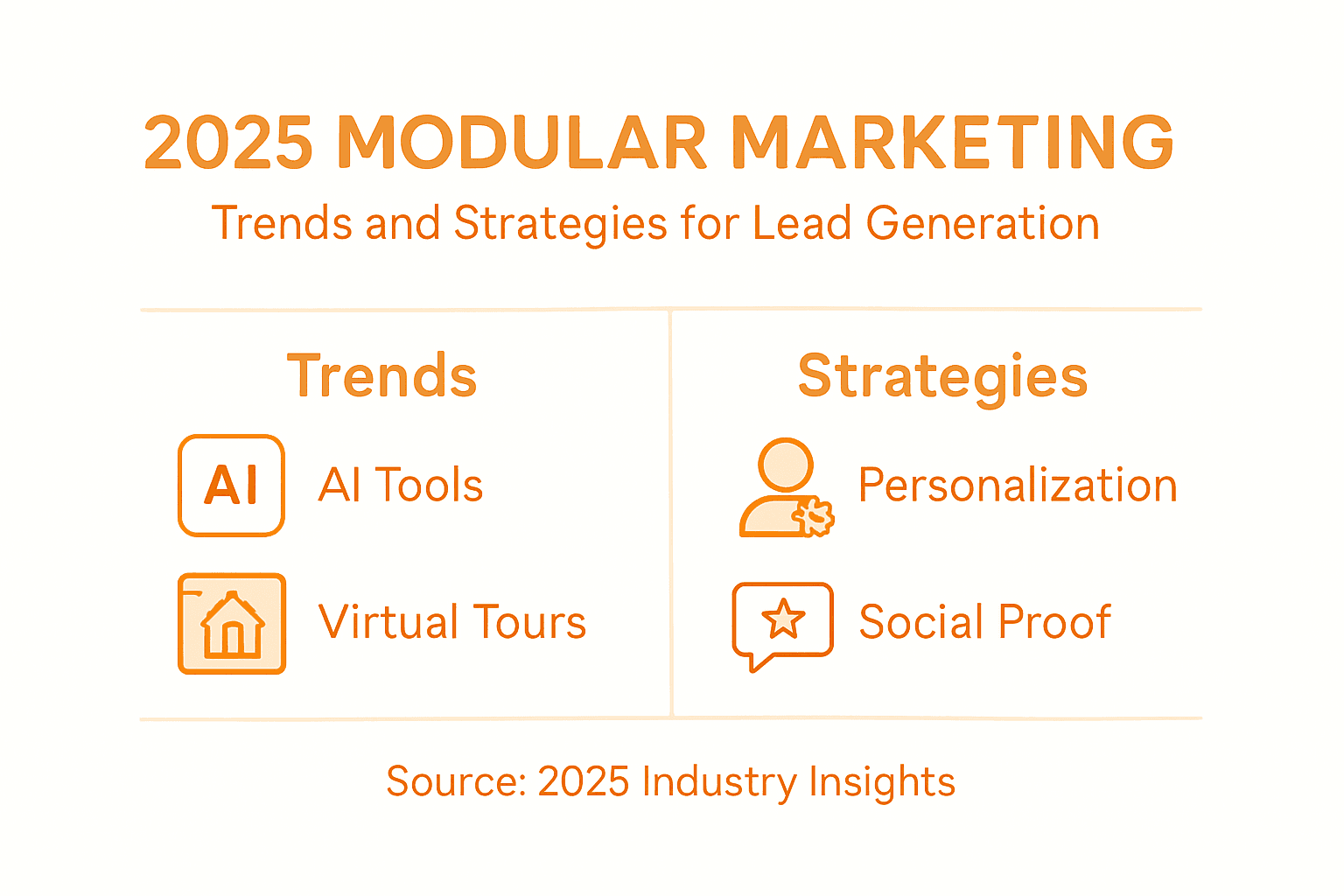
The following table summarizes digital marketing strategies and their main benefits for modular home providers in 2025:
| Digital Strategy | Main Benefit | Example Application |
|---|---|---|
| Virtual Home Tours | Boosts buyer engagement | 360° walkthroughs on websites |
| AI Personalization | Matches homes to buyer preferences | Dynamic floorplan recommendations |
| Content Marketing | Educates and builds brand authority | Blog posts on construction quality |
| Social Media Advertising | Targets specific buyer segments | Demographic-based ad campaigns |
| Video Showcases | Highlights construction speed and quality | Time-lapse build process videos |
Digital Campaigns for Modular Home Lead Generation
Digital marketing strategies for modular homes require sophisticated, targeted approaches that go beyond traditional advertising. Advanced housing design promotion techniques emphasize creating comprehensive, engaging online experiences that educate and convert potential buyers.
Effective digital campaign strategies include:
- Developing interactive home customization platforms
- Creating data-driven targeted advertising
- Implementing retargeting campaigns for interested buyers
- Producing high-quality video content showcasing construction processes
- Utilizing social media platforms for community engagement
The key to successful lead generation lies in understanding and addressing potential buyers’ primary concerns. Technology enables marketers to create personalized, immersive experiences that demonstrate the unique value of modular homes. Targeted lead generation strategies can transform digital interactions into qualified sales opportunities.
Digital campaigns must balance technological innovation with authentic storytelling, creating meaningful connections with potential modular home buyers.
Multichannel digital marketing approaches will dominate modular home lead generation in 2025. These strategies integrate multiple touchpoints to create a comprehensive buyer journey:
- Search Engine Optimization: Targeting specific modular home keywords
- Content Marketing: Developing educational resources about modular construction
- Social Media Engagement: Creating interactive and shareable content
- Email Marketing: Implementing segmented, personalized communication
- Remarketing Campaigns: Reconnecting with previous website visitors
Pro tip: Develop a robust digital ecosystem that provides transparent, comprehensive information about modular home benefits, combining technical details with compelling visual storytelling.
Common Pitfalls and Brand Trust Challenges
Brand credibility in the modular home industry remains a significant challenge, with persistent misconceptions undermining market potential. Financing and regulatory barriers impact consumer perception of modular construction’s reliability and long-term value.
Key trust challenges include:
- Widespread misconceptions about construction quality
- Limited understanding of modular building standards
- Complex financing requirements
- Perceived lower resale value
- Skepticism about structural durability
The root of these challenges stems from historical industry limitations and inadequate consumer education. Potential buyers often conflate modular homes with older manufactured housing models, failing to recognize the significant technological advancements and stringent quality control processes in modern modular construction.
Overcoming brand trust challenges requires a comprehensive strategy of transparency, education, and demonstrable quality assurance.
Building credible industry standards becomes crucial in addressing market resistance. Specific strategies to mitigate trust challenges include:
- Comprehensive Transparency: Providing detailed documentation of construction processes
- Third-Party Certifications: Obtaining independent quality verifications
- Customer Testimonial Programs: Showcasing successful project outcomes
- Technical Education Campaigns: Explaining advanced construction methodologies
- Financial Partnership Development: Collaborating with flexible lending institutions
Pro tip: Develop a robust communication strategy that proactively addresses common misconceptions, using visual evidence and technical documentation to build consumer confidence in modular home quality.
Supercharge Your Modular Home Marketing With Proven Digital Growth Strategies
Capturing qualified leads in the evolving modular home market can be challenging due to misconceptions and the need for personalized, tech-driven engagement. This article highlights the importance of immersive virtual tours, AI personalization, and data-driven campaigns to showcase construction quality and attract the right buyers. At BoxBuild Agency, we understand these pain points and help modular home builders overcome trust barriers by leveraging cutting-edge AI solutions and precision-engineered marketing funnels to deliver highly targeted, qualified leads.
Elevate your brand’s credibility and connect with buyers who value efficiency, customization, and modern construction standards. Take advantage of our industry expertise and proven digital marketing frameworks today. Visit BoxBuild Agency now to start transforming your lead generation and win high-value projects in 2025 and beyond.
Frequently Asked Questions
What are modular homes and how do they differ from traditional homes?
Modular homes are prefabricated structures made in factory settings and assembled on-site. Unlike traditional homes built entirely on-site, modular homes are produced with precision in controlled environments, allowing for quicker construction and often improved quality control.
What marketing strategies are recommended for promoting modular homes in 2025?
Effective marketing strategies for 2025 include leveraging data-driven digital campaigns, creating immersive virtual tours, highlighting sustainability features, and utilizing targeted social media advertising to reach specific buyer segments.
How can technology enhance the buyer experience for modular homes?
Technology enhances the buyer experience through advanced visualization tools that allow potential homeowners to customize and preview their designs. Offering interactive platforms can help bridge the gap between concept and reality, making homes feel more tangible before purchase.
What are some common misconceptions about modular homes that affect buyer trust?
Common misconceptions include beliefs that modular homes are of lower quality or less durable compared to traditional homes. Overcoming these perceptions requires transparency about construction standards, third-party certifications, and showcasing successful projects to build consumer confidence.