Most American modular construction projects report up to 50 percent faster build times when using industrialized methods compared to traditional onsite approaches. With off-site processes steadily reshaping the industry, project managers face mounting pressure to keep productivity high and waste low. This guide reveals practical strategies for refining every stage of the modular workflow—helping you evaluate, select, and apply advanced industrialized techniques for more predictable and profitable results.
Table of Contents
- Defining Industrialized Construction Methods
- Core Variations: Modular, Prefab, Panelized
- How Industrialized Construction Works In Practice
- Key Benefits For Modular Project Managers
- Risks, Common Challenges, And Mitigation
Key Takeaways
| Point | Details |
|---|---|
| Transformative Approach | Industrialized construction shifts building practices from project sites to controlled factory environments for enhanced precision and efficiency. |
| Core Methodologies | Key methods include prefabrication, standardization, and advanced manufacturing techniques to improve productivity and reduce waste. |
| Project Management Benefits | Modular construction can reduce construction timelines by up to 50% while improving cost management and sustainability. |
| Risk Management Strategies | Effective risk mitigation involves robust digital tools, comprehensive contingency plans, and ongoing safety training to address operational and technical challenges. |
Defining Industrialized Construction Methods
Industrialized construction represents a strategic approach to transforming traditional building practices through systematic manufacturing principles. This method fundamentally reimagines construction by shifting production from project sites to controlled factory environments, enabling unprecedented levels of precision and efficiency.
At its core, industrialized construction encompasses several key methodologies designed to minimize project-specific work throughout the entire building lifecycle. Systematic practices reduce fragmentation and enable automation in construction processes. These practices include:
- Prefabrication of building components
- Standardization of design and manufacturing processes
- Integration of technological systems
- Advanced manufacturing techniques
- Strategic technological investments
The primary objective of industrialized construction is dramatically improving productivity by creating repeatable, efficient building systems. By treating construction more like a manufacturing process, project managers can achieve significant improvements in quality control, time management, and overall project predictability. The approach transforms complex building projects into streamlined, data-driven endeavors that reduce waste, minimize human error, and accelerate construction timelines.
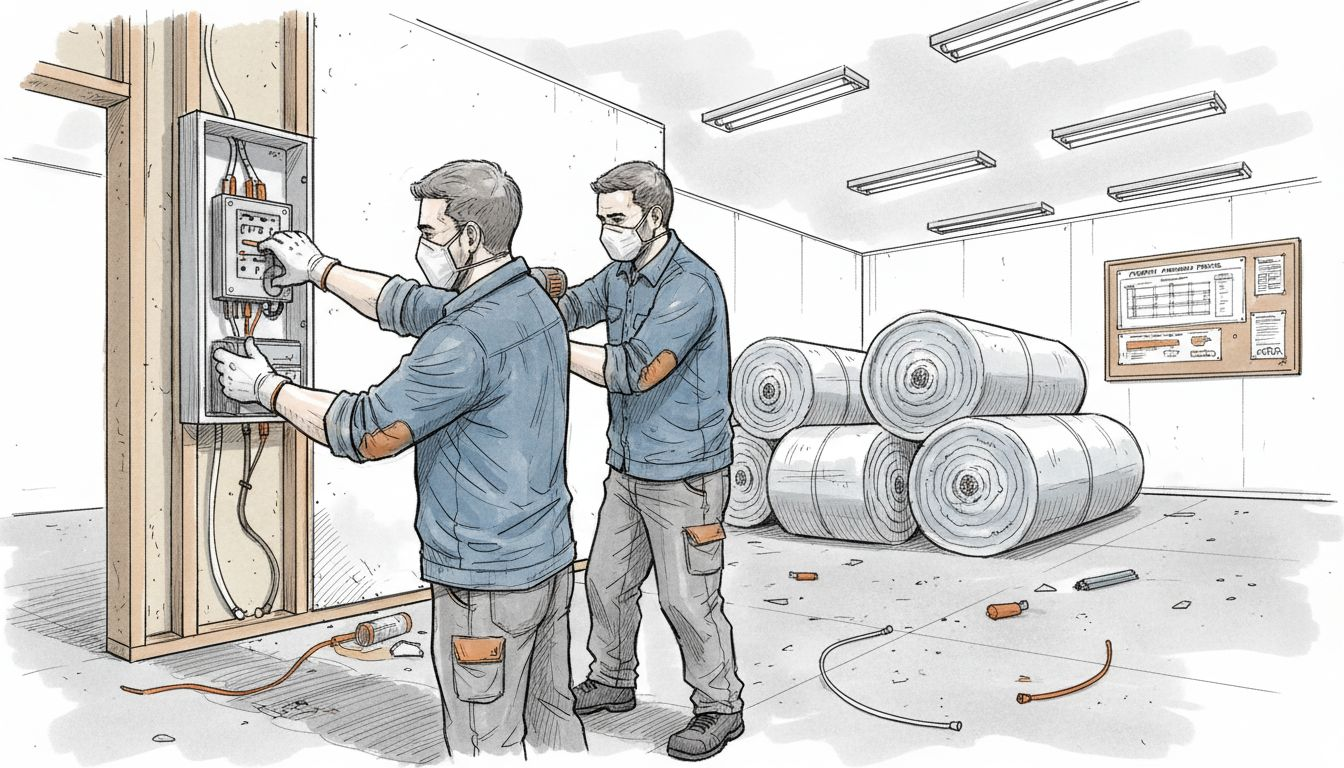
Pro Tip: When implementing industrialized construction methods, start by identifying which building components can be most effectively standardized and prefabricated to maximize efficiency gains.
Core Variations: Modular, Prefab, Panelized
Industrialized construction encompasses three primary building approaches that revolutionize traditional construction methods: modular, prefabricated, and panelized systems. Modular construction represents a sophisticated offsite manufacturing technique that transforms how building components are designed, produced, and assembled.
Modular construction involves creating complete building sections or modules in controlled factory environments before transporting and assembling them onsite. These modules can range from entire room units to complex structural components. The approach offers significant advantages:
- Reduced construction time
- Enhanced quality control
- Improved safety conditions
- Lower overall project costs
- Minimized environmental disruption
- Greater design consistency
Prefabricated construction shares similar principles with modular approaches but typically involves manufacturing individual building elements like walls, floors, or roof sections offsite. Panelized construction focuses specifically on creating large, flat building panels that can be quickly assembled at the construction site. Each method offers unique benefits depending on project requirements, site conditions, and specific architectural design needs.
Project managers must carefully evaluate which industrialized construction variation best suits their specific project parameters. Modular construction systems provide the most comprehensive offsite building solution, while prefab and panelized methods offer more flexible alternatives for different architectural challenges.
Here’s a concise comparison of modular, prefab, and panelized construction approaches:
| Method | Typical Use Case | Speed Impact | Flexibility Level |
|---|---|---|---|
| Modular | Full buildings, rapid delivery | Fastest completion | Lower (fixed designs) |
| Prefabricated | Walls, floors, structural parts | Moderate improvement | Higher (customizable) |
| Panelized | Walls, floors, simple layouts | Fast assembly | Moderate (some variation) |
Pro Tip: Conduct a thorough feasibility analysis comparing modular, prefab, and panelized construction methods to determine the most cost-effective and efficient approach for your specific project requirements.
How Industrialized Construction Works in Practice
Industrialized construction transforms traditional building processes by integrating offsite manufacturing with sophisticated assembly techniques. This approach fundamentally reimagines construction as a coordinated, technology-driven manufacturing process that extends far beyond conventional onsite building methods.
The practical implementation involves several critical stages:
- Pre-Design Planning
- Comprehensive project analysis
- Detailed component standardization
- Digital modeling and simulation
- Factory Manufacturing
- Precision component fabrication
- Quality control checks
- Controlled environmental production
- Logistics and Transportation
- Specialized shipping strategies
- Modular component protection
- Efficient site delivery coordination
- Onsite Assembly
- Rapid module integration
- Minimal onsite construction time
- Precision alignment techniques
Successful industrialized construction requires seamless coordination between design teams, manufacturers, logistics providers, and onsite construction crews. Off-site construction best practices emphasize the importance of advanced digital tools, specialized workforce training, and adaptive project management strategies that enable unprecedented levels of efficiency and quality control.
Pro Tip: Invest in comprehensive digital training for your team to effectively navigate the complex technological requirements of industrialized construction methods.
Key Benefits for Modular Project Managers
Modular construction practices deliver transformative advantages that fundamentally reshape project management strategies in the construction industry. Project managers can leverage these innovative approaches to dramatically improve project outcomes, efficiency, and overall performance.
The key benefits for modular project managers include:
-
Accelerated Project Timelines
- Reduced construction duration by up to 50%
- Parallel workflow capabilities
- Minimized weather-related delays
-
Cost Management
- Potential cost savings around 20%
- Reduced onsite labor expenses
- Lower risk of budget overruns
-
Quality Control
- Consistent factory-controlled manufacturing
- Standardized production processes
- Enhanced precision and reliability
-
Sustainability Impact
- Significantly reduced material waste
- Lower environmental footprint
- More efficient resource utilization
Automation in construction technologies further amplify these benefits by enabling more sophisticated project tracking, resource allocation, and predictive management strategies. Project managers can now access unprecedented levels of control and insight throughout the construction process.
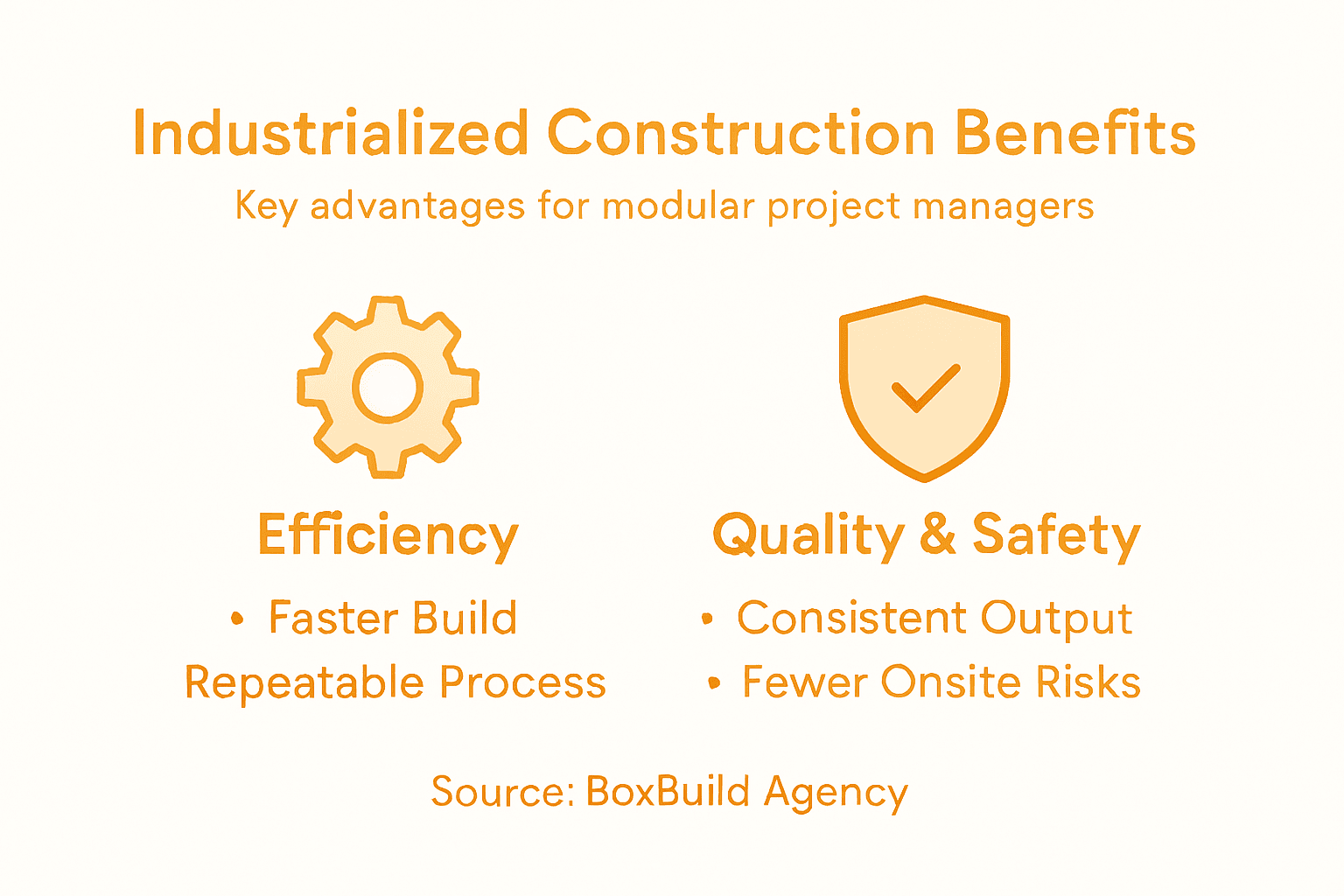
Pro Tip: Develop robust digital tracking systems that integrate factory production metrics with onsite assembly data to maximize your modular construction project’s efficiency and performance.
Risks, Common Challenges, and Mitigation
Large-scale industrialized construction projects face multifaceted risks that demand comprehensive strategic planning and proactive management. Understanding these potential challenges is crucial for project managers seeking to navigate the complex landscape of off-site building methodologies.
The primary risk categories include:
Operational Risks
- Poor interdepartmental coordination
- Complex workflow management
- Stakeholder misalignment
- Communication breakdowns
Technical Challenges
- Design compatibility issues
- Transportation and logistics complexity
- Module integration difficulties
- Precision engineering requirements
Safety Considerations
- Construction site safety management protocols
- Material handling injury prevention
- Heavy machinery accident risks
- Worker training and protective equipment requirements
Effective mitigation strategies involve implementing robust digital tools like Building Information Modeling (BIM), developing comprehensive contingency plans, and creating systematic risk identification processes. Project managers must prioritize integrated risk management approaches that enhance coordination, improve communication, and maintain rigorous safety standards throughout the construction lifecycle.
Below is a summary of critical risk management strategies for large-scale industrialized construction projects:
| Risk Category | Primary Challenge | Targeted Mitigation Approach |
|---|---|---|
| Operational | Workflow complexity | Digital coordination platforms |
| Technical | Module integration issues | Early design compatibility reviews |
| Safety | Heavy equipment hazards | Ongoing workforce safety training |
Pro Tip: Develop a dynamic risk assessment matrix that continuously updates and tracks potential challenges across factory production, transportation, and onsite assembly phases.
Boost Your Industrialized Construction Projects with Expert Digital Growth Solutions
Industrialized construction demands precision coordination and innovative strategies to stand out in a rapidly evolving market. If your challenge is accelerating project timelines, improving lead quality, and maintaining consistent engagement while managing modular, prefab, or panelized building approaches, you are not alone. The pressure to deliver faster with higher quality and lower costs calls for strategic digital tools that align perfectly with these advanced construction methods.
BoxBuild Agency specializes in partnering with off-site construction professionals just like you. By combining data-driven marketing, automation, and deep industry insight, we help you generate more qualified leads and close high-value contracts faster. Our expertise in crafting powerful funnels and running targeted campaigns with Google Ads gives you a competitive edge, helping you maximize your project’s potential in the digital space.
Take control of your marketing and position your company as a trusted leader in industrialized construction today. Visit BoxBuild Agency to explore how our tailored solutions can turbocharge your modular and prefab construction success. Don’t wait to transform your digital presence and build more profitable projects now.
Frequently Asked Questions
What is industrialized construction?
Industrialized construction is a strategic approach that involves transforming traditional building practices by using systematic manufacturing principles, which shift production from construction sites to controlled factory environments for improved efficiency and precision.
What are the main methodologies involved in industrialized construction?
Key methodologies include prefabrication of building components, standardization of design and manufacturing processes, integration of technological systems, advanced manufacturing techniques, and strategic technological investments.
What are the benefits of using modular construction?
Modular construction offers accelerated project timelines, cost management by potentially saving around 20%, improved quality control through factory manufacturing, and a reduced environmental footprint due to less material waste.
How can project managers mitigate risks in industrialized construction?
Project managers can mitigate risks by implementing robust digital tools like Building Information Modeling (BIM), developing comprehensive contingency plans, and creating systematic risk identification processes to enhance coordination and maintain safety standards.