Facing pressure to deliver greener buildings, modular builders worldwide are turning to methods that combine innovation and responsibility. Sustainable modular construction practices have emerged as a trusted route to cutting material waste, reducing embodied carbon emissions, and supporting global environmental goals. This overview helps eco-conscious professionals understand how integrating advanced digital design, precise off-site manufacturing, and international green building standards can distinguish their projects and create lasting environmental value.
Table of Contents
- Defining Sustainable Modular Construction Practices
- Exploring Types And Categories Of Modular Builds
- Core Processes And Features Of Modular Construction
- Environmental And Efficiency Benefits Explained
- Potential Risks, Misconceptions, And Limitations
- Comparing Modular Systems To Traditional Construction
Key Takeaways
| Point | Details |
|---|---|
| Sustainable Practices | Sustainable modular construction reduces waste, carbon emissions, and enhances building efficiency through off-site manufacturing. |
| Types of Modular Builds | Key types include Permanent, Relocatable, Volumetric, and Panelized constructions, each suited for specific applications. |
| Core Processes | Modular construction involves pre-planning, module fabrication, and on-site assembly, emphasizing efficiency and sustainability. |
| Comparison with Traditional Methods | Modular systems significantly reduce construction time and costs while improving quality control compared to traditional construction methods. |
Defining sustainable modular construction practices
Sustainable modular construction represents a transformative approach to building that integrates advanced manufacturing techniques with environmental responsibility. By leveraging off-site manufacturing methods, this innovative construction strategy dramatically reduces waste, minimizes carbon emissions, and enhances overall building efficiency.
The core principles of sustainable modular construction encompass several key elements:
- Precise digital design and manufacturing techniques
- Reduced material waste during production
- Lower transportation and site disruption
- Enhanced energy efficiency in module creation
- Streamlined construction processes
- Potential for future module reconfiguration or recycling
Modern sustainable modular construction goes beyond traditional building methods by incorporating advanced environmental practices. Digital technologies play a crucial role, enabling precise planning and minimizing resource consumption throughout the entire building lifecycle. Manufacturers can now simulate and optimize designs before physical production, dramatically reducing potential waste and inefficiencies.
The integration of sustainable practices in modular construction aligns closely with global environmental goals. Green building certification systems like LEED provide frameworks for evaluating and implementing eco-friendly strategies. These standards encourage builders to consider renewable energy solutions, optimize resource management, and reduce overall carbon footprints.
Pro tip: When planning a sustainable modular project, prioritize manufacturers who demonstrate transparent environmental practices and can provide detailed lifecycle assessments of their building modules.
Exploring types and categories of modular builds
Modular construction encompasses a diverse range of building approaches, each designed to meet specific architectural and functional requirements. Architectural typologies reveal multiple construction methods that enable builders to create innovative and adaptable structures across various contexts.
The primary categories of modular builds include:
- Permanent Modular Construction (PMC): Long-term structures designed for fixed locations
- Relocatable Modular Construction (RMC): Flexible buildings that can be transported and reinstalled
- Volumetric Modular Construction (VMC): Three-dimensional modules fully constructed off-site
- Panelized Construction: Flat panel systems assembled on-site with greater design flexibility
Standardization plays a crucial role in modular construction, allowing manufacturers to develop consistent, high-quality building components. Modular construction methods vary significantly in their approach to spatial layouts, production strategies, and module design, providing builders with multiple options to suit different project requirements.
Each modular construction type offers unique advantages. Permanent modular constructions provide durability and long-term stability, while relocatable modules offer unprecedented flexibility for temporary or evolving spatial needs. Volumetric modules enable complex, fully finished building sections to be transported and quickly assembled, reducing on-site construction time and minimizing environmental disruption.
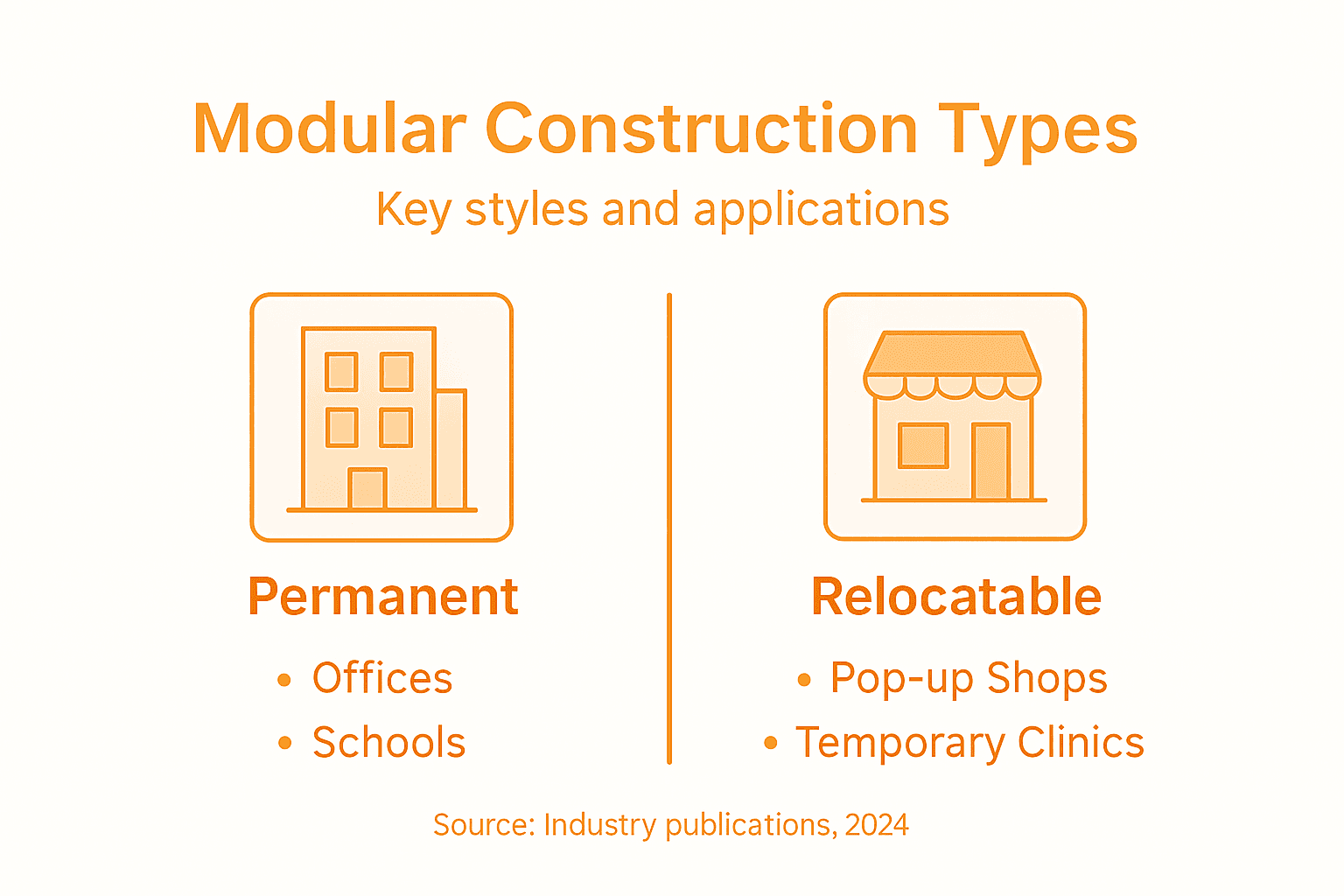
Here’s a concise overview of the main modular construction types and their ideal use cases:
| Modular Type | Typical Applications | Flexibility |
|---|---|---|
| Permanent Modular | Schools, offices, hotels | Long-term, stable |
| Relocatable Modular | Disaster relief, events | High, temporary |
| Volumetric Modular | Apartments, healthcare | Medium, rapid setup |
| Panelized Construction | Custom homes, renovations | Maximum design |
Pro tip: When selecting a modular construction type, carefully evaluate your project’s specific requirements, considering factors like intended duration, transportation constraints, and design complexity.
Core processes and features of modular construction
Advanced manufacturing techniques have revolutionized modular construction, transforming traditional building approaches through precision engineering and innovative production strategies. This approach fundamentally differs from conventional construction by emphasizing off-site fabrication, controlled manufacturing environments, and highly streamlined assembly processes.
The core processes of modular construction encompass several critical stages:
- Pre-construction Planning: Detailed digital design and comprehensive project mapping
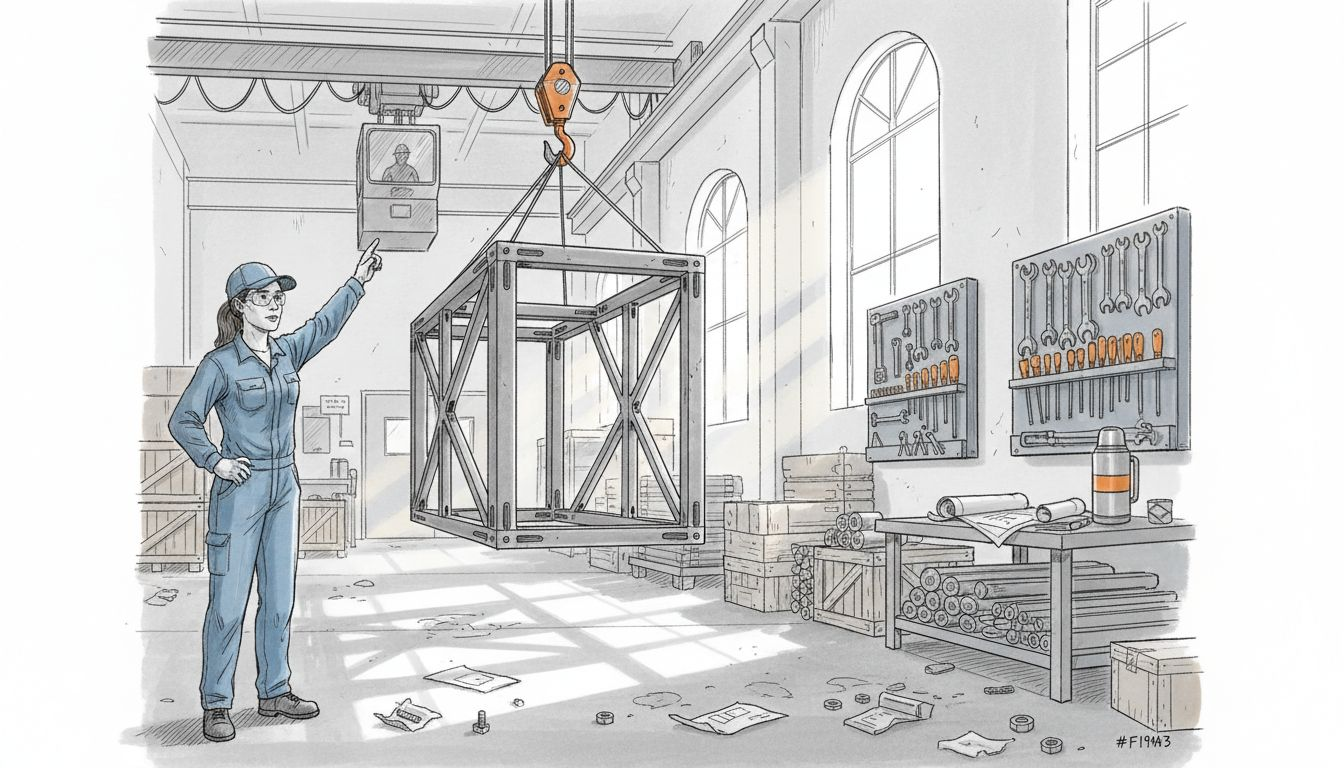
- Module Fabrication: Precision manufacturing of complete building components in factory settings
- Site Preparation: Concurrent ground work while modules are being constructed
- Transportation: Carefully planned logistics for module delivery
- On-site Assembly: Rapid connection and integration of prefabricated modules
Digital technologies play a transformative role in modular construction processes. Factory-controlled environments enable unprecedented quality assurance by standardizing production methods, reducing human error, and implementing rigorous quality control mechanisms. Advanced tools like Building Information Modeling (BIM) allow architects and engineers to create precise digital representations of modules before physical construction begins.
Each modular construction process prioritizes efficiency and sustainability. By manufacturing building components in controlled factory settings, builders can significantly reduce material waste, minimize environmental impact, and create more predictable construction timelines. The ability to produce modules concurrently with site preparation dramatically accelerates overall project completion compared to traditional building methods.
Pro tip: Invest in comprehensive pre-construction planning and digital modeling to identify potential design challenges and optimize module integration before manufacturing begins.
Environmental and efficiency benefits explained
Sustainable construction strategies have transformed modular building into a powerful approach for reducing environmental impact and maximizing construction efficiency. By integrating advanced digital technologies and circular economy principles, modular construction offers unprecedented opportunities for creating more sustainable built environments.
The key environmental and efficiency benefits include:
- Reduced Material Waste: Up to 90% less construction waste compared to traditional building methods
- Lower Carbon Emissions: Minimized onsite activities and optimized manufacturing processes
- Energy Efficiency: Enhanced thermal performance and precision engineering
- Resource Conservation: Improved material recycling and reuse capabilities
- Faster Construction Timelines: Significantly reduced project completion periods
Circular economy principles are deeply embedded in modular construction methodologies. Sustainable urban development strategies enable builders to create more adaptable, resource-efficient structures that can be disassembled, relocated, or repurposed with minimal environmental impact. The controlled factory environment allows for precise engineering, reducing potential material overages and minimizing waste generation.
By prioritizing digital integration and advanced manufacturing techniques, modular construction provides a comprehensive solution to traditional building challenges. The approach not only reduces environmental footprint but also delivers economic advantages through improved productivity, reduced labor costs, and more predictable project outcomes. Renewable energy integration and passive design strategies further enhance the sustainability potential of modular building techniques.
Pro tip: Conduct a comprehensive lifecycle assessment during the design phase to maximize the environmental and efficiency benefits of your modular construction project.
Potential risks, misconceptions, and limitations
While modular construction offers numerous advantages, professionals must carefully navigate several potential challenges and misconceptions that can impact project success. Understanding these limitations helps builders make more informed decisions and develop comprehensive strategies to mitigate potential risks.
Key risks and misconceptions include:
- Transportation Constraints: Significant logistical challenges for complex or large modules
- Design Limitations: Potential restrictions on architectural creativity
- Initial Cost Investments: Higher upfront expenses compared to traditional construction
- Perception Issues: Lingering misconceptions about module quality and durability
- Regulatory Compliance: Varying building codes across different jurisdictions
Structural integrity remains a critical consideration in modular construction. Builders must carefully address potential misconceptions about module strength and long-term performance. The precision manufacturing process actually enables more consistent quality control compared to traditional on-site construction, but requires specialized expertise and advanced engineering approaches.
Transportation and site-specific challenges represent significant potential limitations. Modules must be designed to withstand transportation stresses, meet local building codes, and integrate seamlessly with existing infrastructure. Complex terrain, remote locations, and strict local regulations can create additional complexity that requires extensive pre-planning and specialized engineering solutions.
Pro tip: Conduct thorough site assessments and engage specialized modular construction consultants early in the project planning phase to identify and proactively address potential transportation, design, and regulatory challenges.
Comparing modular systems to traditional construction
Construction method comparisons reveal significant differences between modular and traditional building approaches, highlighting innovative advantages of modern manufacturing techniques. Modular construction represents a paradigm shift from conventional building strategies, offering transformative solutions to long-standing industry challenges.
Key comparative metrics demonstrate notable differences:
- Construction Time: Modular builds reduce timelines by up to 50%
- Cost Efficiency: Potential savings of 20% compared to traditional methods
- Material Waste: Up to 83% reduction in construction waste
- Quality Control: Improved consistency through factory-controlled manufacturing
- Safety Standards: Enhanced worker safety due to controlled environments
Production methodologies fundamentally distinguish these approaches. Comparative building technologies demonstrate that modular construction offers superior precision, repeatability, and efficiency. Traditional construction relies on sequential on-site processes, while modular techniques leverage parallel manufacturing strategies that dramatically compress project timelines.
Compare the construction flow between modular and traditional building approaches:
| Aspect | Modular Construction | Traditional Construction |
|---|---|---|
| Site Work | Done parallel to fabrication | Sequential, follows design phase |
| Quality Control | Factory-based, consistent | Variable, onsite conditions |
| Project Timeline | Accelerated, scheduled | Often delayed by site factors |
Design flexibility remains a nuanced consideration. Traditional construction offers greater immediate design adaptability, whereas modular systems require more upfront planning but provide remarkable consistency and predictability. The controlled factory environment enables advanced quality assurance protocols that are challenging to replicate in traditional construction settings.
Pro tip: Evaluate project requirements holistically, considering not just initial costs but long-term performance, sustainability, and total lifecycle expenses when comparing modular and traditional construction approaches.
Accelerate Your Sustainable Modular Construction Growth with Expert Digital Strategies
Sustainable modular construction demands precision, efficiency, and the ability to communicate your eco-friendly expertise clearly to the right audience. If your goal is to generate high-quality leads and secure more high-value projects in this competitive industry, then strategic digital marketing tailored to your unique challenges is critical. Key challenges like navigating complex project requirements, demonstrating your environmental commitment, and standing out amid evolving modular building types require a partner who understands this landscape inside and out.
Harness the power of optimized Funnels – BoxBuild and targeted Google Ads – BoxBuild campaigns designed specifically for off-site construction businesses. Our data-driven approach combines automation and deep industry insight to help you confidently showcase your sustainable modular solutions and accelerate sales cycles. Do not let logistical, regulatory, or perception hurdles slow your growth. Visit BoxBuild Agency today to transform your marketing strategy and position your company as a thought leader in sustainable modular construction.
Frequently Asked Questions
What are the benefits of sustainable modular construction?
Sustainable modular construction significantly reduces material waste, lowers carbon emissions, enhances energy efficiency, and offers faster construction timelines compared to traditional methods.
How does modular construction differ from traditional construction?
Modular construction emphasizes off-site fabrication with controlled manufacturing environments, leading to more efficient production, reduced waste, and improved quality control, whereas traditional construction relies on sequential on-site processes.
What types of buildings can be constructed using modular construction?
Modular construction supports a variety of buildings, including permanent structures like schools and offices, relocatable units for disaster relief, volumetric modules for apartments and healthcare facilities, and panelized systems for custom homes.
Are there any misconceptions about the quality of modular buildings?
Yes, some misconceptions include concerns about structural integrity and durability. However, modular buildings often undergo stringent quality control in a factory setting, which can lead to more consistent quality compared to traditional construction.
Recommended
- 7 Essential Types of Modular Construction for Builders – BoxBuild
- 7 Key Modular Home Design Best Practices for Builders – BoxBuild
- Construction Industry Trends 2025: Impact on Modular Leaders – BoxBuild
- Hybrid Construction: Boosting Efficiency in Modular Builds – BoxBuild
- Transforming Modern Spaces for Maximum Cleanliness and Durability