Most American construction brands capture less than half of their ideal market share because their positioning fails to stand out. In today’s crowded field, modular and prefab builders face intense pressure to differentiate and prove value quickly. For marketing managers, mastering brand positioning is essential for attracting the right clients and building long-term market authority in a sector where expertise, credibility, and clear messaging directly impact results.
Table of Contents
- Defining Brand Positioning for Construction Firms
- Key Brand Positioning Strategies for Modular Builders
- Types and Channels of Differentiation
- Impact on Lead Generation and Market Value
- Risks of Poor Brand Positioning
- Common Branding Mistakes to Avoid
Key Takeaways
| Point | Details |
|---|---|
| Effective Brand Positioning | Clearly articulate unique value propositions to differentiate your construction firm in the marketplace. |
| Consistent Communication | Maintain uniformity in messaging across all channels to reinforce brand identity and build trust. |
| Understanding Client Needs | Continuously engage with clients to address their specific challenges through tailored brand strategies. |
| Annual Brand Audit | Regularly evaluate and adjust brand positioning to align with market changes and evolving organizational capabilities. |
Defining Brand Positioning for Construction Firms
Brand positioning represents a strategic framework that distinguishes construction firms in a complex marketplace. At its core, brand positioning determines how your company is perceived relative to competitors, communicating unique value propositions that resonate with target clients and stakeholders. Strategic brand management within construction markets requires a nuanced approach that goes beyond superficial marketing tactics.
Successful brand positioning for construction firms involves three critical components: differentiation, relevance, and credibility. Companies must articulate what sets them apart technical capabilities, project methodologies, or specialized expertise. This means developing a clear narrative that highlights unique strengths while directly addressing client pain points. Whether your firm specializes in modular construction, sustainable building techniques, or complex industrial projects, your positioning should communicate those distinctive attributes.
The strategic implementation of brand positioning requires consistent communication across multiple channels. This includes your website, project portfolios, social media presence, and client interactions. Building brand recognition in construction markets demands more than glossy marketing materials – it requires authentic representation of your company’s core competencies and values. Marketing managers must ensure that every touchpoint reinforces the brand’s fundamental promise and differentiating characteristics.
Pro Tip: Conduct a comprehensive brand audit annually to ensure your positioning remains aligned with market dynamics and your firm’s evolving capabilities.
Key Brand Positioning Strategies for Modular Builders
Modular builders must adopt sophisticated positioning strategies that transcend traditional construction marketing approaches. Business model innovation in modular construction reveals critical strategies for differentiating in a competitive market. By emphasizing unique value propositions such as rapid deployment, sustainability, and technological integration, modular builders can create compelling brand narratives that resonate with forward-thinking clients.
Key strategic positioning elements include highlighting technological capabilities, sustainability credentials, and operational efficiency. The construction industry has witnessed a significant shift, with modular construction adoption increasing from 14% to 28% of total projects. Successful modular builders leverage this trend by showcasing their ability to deliver faster project completion times, reduced environmental impact, and consistently high-quality construction outcomes. Potential clients are increasingly drawn to companies that demonstrate advanced manufacturing techniques, precision engineering, and a commitment to sustainable building practices.
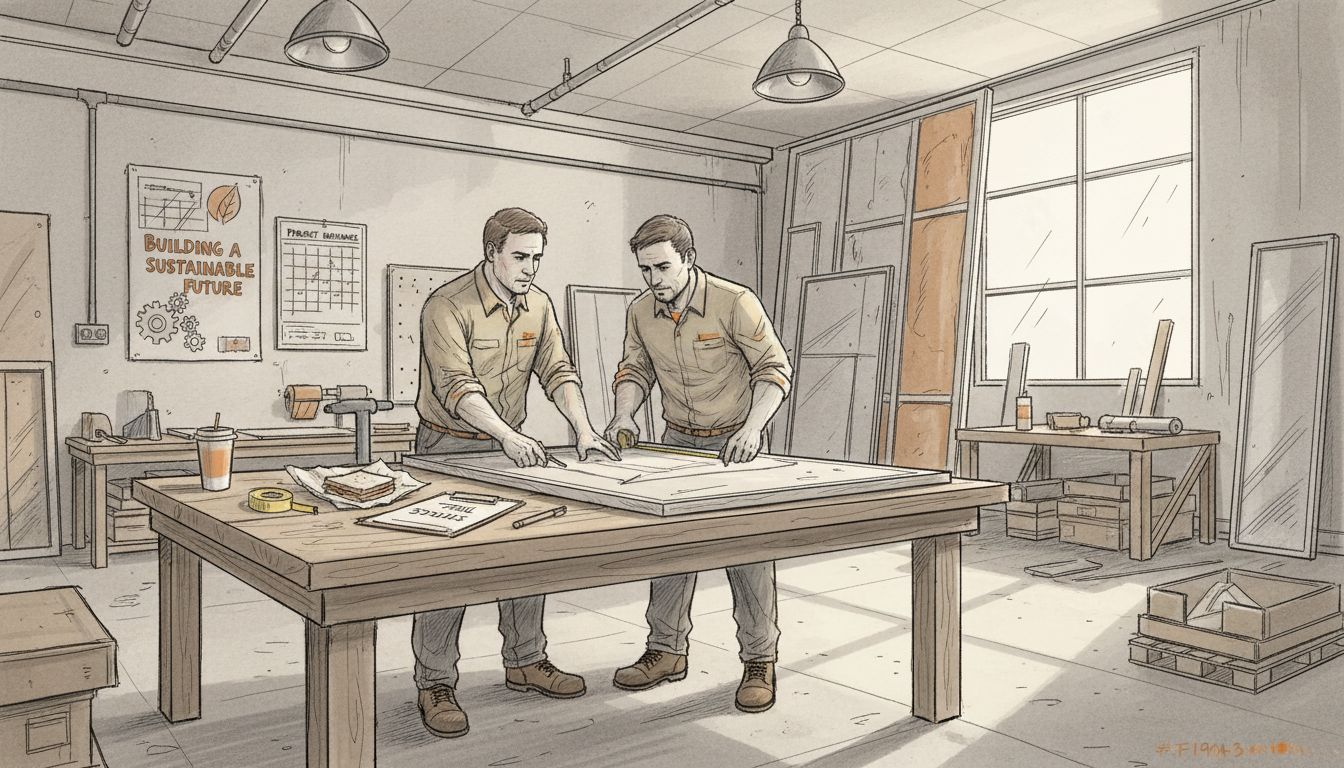
Effective brand positioning for modular builders requires a multifaceted approach. This involves developing a clear communication strategy that emphasizes unique technical capabilities, such as design-for-manufacture methodologies, advanced prefabrication techniques, and comprehensive lifecycle benefits. Marketing efforts should focus on translating complex technical advantages into tangible client benefits, demonstrating how modular construction approaches can solve traditional construction challenges like cost overruns, extended project timelines, and quality inconsistencies.
Pro Tip: Develop a visual portfolio that showcases your most innovative and challenging projects, highlighting the unique problem-solving capabilities of your modular construction approach.
Types and Channels of Differentiation
Modular construction firms have multiple strategic avenues for differentiation that extend beyond traditional marketing approaches. Brand differentiation strategies reveal three primary channels through which construction companies can create unique market positioning: functional differences, symbolic associations, and experiential benefits. These approaches enable companies to build compelling narratives that separate them from competitors and create meaningful connections with potential clients.
Functional differentiation focuses on highlighting technical capabilities and innovative methodologies. For modular builders, this might involve showcasing advanced manufacturing processes, superior quality control mechanisms, or proprietary design technologies that streamline construction timelines. Symbolic differentiation, by contrast, centers on building a brand identity that resonates with specific client values such as sustainability, innovation, or reliability. Companies can achieve this through consistent messaging, thought leadership content, and visual branding that communicates their unique organizational philosophy.
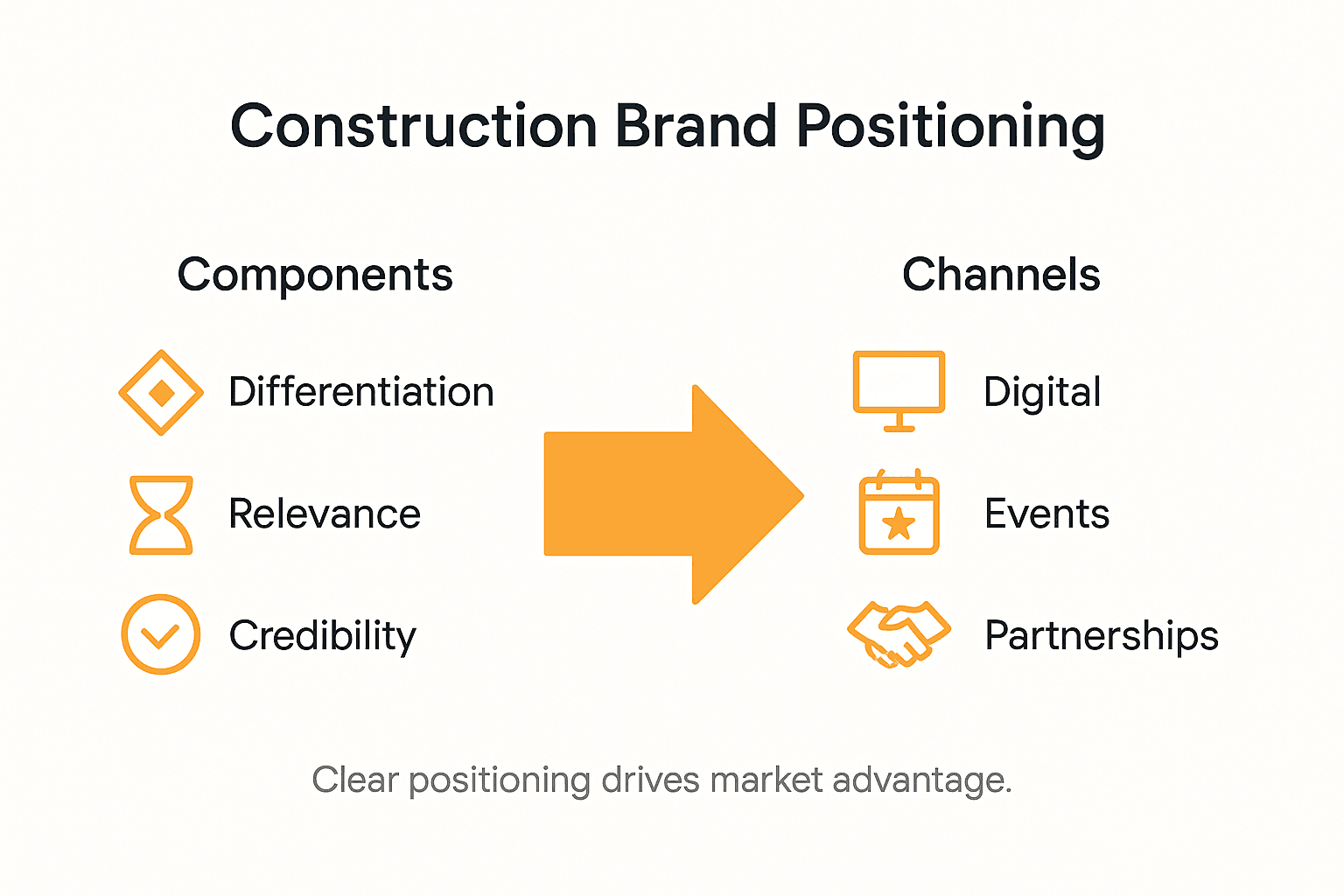
Experiential differentiation represents a sophisticated approach to brand positioning that goes beyond traditional marketing tactics. This strategy involves creating memorable interactions across multiple client touchpoints, including digital platforms, customer service experiences, and post-project support. Successful modular builders craft comprehensive engagement strategies that demonstrate their commitment to client success, transforming transactional relationships into long-term partnerships built on trust, expertise, and demonstrable value delivery.
Pro Tip: Develop a comprehensive client journey mapping process that identifies and enhances every interaction point to create a seamless, distinctive brand experience.
Here’s a summary of the main differentiation channels for modular construction firms:
| Differentiation Channel | Key Focus | Typical Tactics | Business Value |
|---|---|---|---|
| Functional | Technical innovation | Advanced manufacturing processes | Faster delivery, higher quality |
| Symbolic | Brand identity & values | Sustainability messaging, consistent branding | Attracts like-minded clients |
| Experiential | Client interactions | Outstanding customer service, seamless handovers | Builds trust, long-term loyalty |
Impact on Lead Generation and Market Value
Brand positioning fundamentally transforms how construction firms generate leads and establish market value. Strategic brand management directly influences organizational outcomes, creating a measurable impact on customer acquisition and long-term business growth. By developing a distinctive market identity, modular builders can attract higher-quality leads who are more aligned with their specific value propositions and technical capabilities.
Lead generation in the construction sector increasingly depends on sophisticated brand storytelling and targeted communication strategies. Companies that effectively articulate their unique technological advantages, sustainability credentials, and project delivery methodologies can significantly reduce sales cycle times and improve conversion rates. This approach shifts potential clients from passive observers to engaged prospects who understand the specific value a modular construction firm brings to their projects.
Market value creation extends beyond immediate lead generation, encompassing long-term brand equity and reputation development. Construction firms that consistently demonstrate expertise through thought leadership, innovative project showcases, and transparent communication build cumulative credibility. This sustained approach transforms brand positioning from a marketing tactic into a strategic asset that attracts premium clients, commands higher project valuations, and creates competitive differentiation in an increasingly complex construction marketplace.
Pro Tip: Develop a comprehensive content strategy that showcases your firm’s technical expertise and unique project capabilities across multiple digital platforms to systematically enhance lead quality and market perception.
Risks of Poor Brand Positioning
Poor brand positioning can create profound challenges for modular construction firms, extending far beyond simple marketing inefficiencies. Construction industry talent attraction becomes critically compromised when companies fail to communicate a compelling and authentic organizational narrative. Young professionals increasingly evaluate potential employers based on brand perception, making inconsistent messaging a significant barrier to recruiting top technical talent.
The financial implications of weak brand positioning are substantial and multifaceted. Firms with unclear market positioning face increased vulnerability during economic fluctuations, experiencing reduced market share and diminished project performance. These challenges manifest through longer sales cycles, lower client trust, and reduced ability to command premium pricing for specialized modular construction services. Organizations that cannot effectively communicate their unique value proposition risk becoming commoditized, competing solely on price rather than demonstrating distinctive expertise.
Strategic risks extend beyond immediate financial performance, potentially undermining long-term organizational sustainability. Inconsistent branding erodes client confidence, making it increasingly difficult to establish credibility in a complex and technologically evolving construction landscape. Companies that fail to articulate their technological capabilities, sustainability credentials, and innovative methodologies become increasingly marginalized, struggling to differentiate themselves in an increasingly competitive market environment.
Pro Tip: Conduct an annual comprehensive brand audit that critically examines your market positioning, client perceptions, and alignment between organizational capabilities and external messaging.
This table highlights the risks associated with poor brand positioning in modular construction:
| Risk Area | Short-Term Impact | Long-Term Impact |
|---|---|---|
| Talent Attraction | Fewer skilled applicants | Weakened technical workforce |
| Financial Health | Reduced market share | Persistent loss of project value |
| Client Confidence | Longer sales cycles | Damaged reputation, lost clients |
Common Branding Mistakes to Avoid
Modular construction firms frequently encounter branding challenges that can significantly undermine their market positioning. Construction industry branding requires strategic precision, with several critical mistakes consistently emerging as primary obstacles to effective brand communication. The most prevalent error involves creating overly complex narratives that obscure rather than clarify a company’s core value proposition, leaving potential clients confused about the firm’s unique capabilities.
One fundamental mistake is inconsistent brand messaging across different platforms and project types. Construction firms often fail to maintain a unified brand voice, resulting in fragmented perceptions that erode client trust and organizational credibility. This inconsistency manifests through misaligned visual identities, contradictory communication styles, and messaging that fails to reflect the company’s actual technical capabilities and project delivery methodologies. Marketing teams must ensure that every communication channel reinforces a coherent and authentic brand narrative that accurately represents the firm’s expertise and technological sophistication.
Another critical branding misstep involves neglecting to deeply understand and address specific client needs. Many modular construction firms develop brand strategies in isolation, creating messaging that sounds impressive but lacks genuine connection to client challenges. Successful brand positioning requires a nuanced understanding of target market segments, their unique pain points, and the precise ways in which a company’s technical capabilities can provide meaningful solutions. This demands continuous market research, active client engagement, and a willingness to adapt brand messaging based on evolving industry dynamics and client expectations.
Pro Tip: Implement a quarterly brand alignment workshop that brings together marketing, sales, and technical teams to ensure your brand messaging remains authentic, precise, and directly aligned with your company’s actual capabilities and market opportunities.
Elevate Your Construction Brand Positioning with BoxBuild Agency
Struggling to transform your unique modular or prefab construction strengths into clear market differentiation You are not alone. This article highlights the critical need for authentic, consistent brand positioning that resonates with clients and builds trust. At BoxBuild Agency, we specialize in data-driven, strategic marketing solutions crafted specifically for off-site construction firms eager to unlock new lead generation channels and close high-value projects. Our expertise in creating seamless Funnels – BoxBuild paired with targeted digital advertising will ensure your brand narrative stands out.
Ready to position your construction firm as an industry leader and amplify your market impact Visit BoxBuild Agency to discover how our strategic websites, SEO, and Google Ads services powered by innovative AI – BoxBuild tools can transform your growth trajectory. Don’t wait until competitors capture your ideal clients Start elevating your brand now and build lasting client trust with proven digital growth strategies.
Frequently Asked Questions
What is brand positioning in construction?
Brand positioning in construction refers to the strategic framework that defines how a construction firm is perceived in relation to its competitors, emphasizing unique value propositions that appeal to target clients and stakeholders.
Why is brand positioning important for modular builders?
Brand positioning is crucial for modular builders as it helps them differentiate themselves in a competitive market by highlighting unique attributes such as rapid project completion, sustainability, and advanced technological capabilities that resonate with modern clients.
What are the key components of successful brand positioning?
The key components of successful brand positioning include differentiation, relevance, and credibility. Construction firms must clearly communicate their unique strengths and address client pain points to create a compelling narrative.
How can poor brand positioning affect a construction firm?
Poor brand positioning can lead to challenges in talent attraction, reduced market share, diminished client trust, and increased vulnerability during economic fluctuations. It can undermine long-term organizational sustainability and hinder a firm’s ability to command premium pricing.
Recommended
- Role of Branding for Builders: Complete Guide – BoxBuild
- Why Marketing Matters for Builders: Complete Guide – BoxBuild
- Content Strategy for Off-Site Builders to Boost Lead Generation – BoxBuild
- Website Strategy for Builders: Essential Guide – BoxBuild
- Luxury Pool Builder Magnolia TX | Bliss Pools
- Commercial Painting Orlando Fl – Southern Sandblasting & Painting LLC