Most American builder websites risk falling behind if they ignore rapidly changing web design standards for 2025. As online competition rises, staying current means more than just a fresh look. You need a strategy that includes mobile speed, AI automation, and modular-friendly features. Sites optimized with modern trends can see up to 50 percent higher user engagement. Learn exactly how to assess and upgrade your builder site to meet tomorrow’s expectations and attract more clients.
Table of Contents
- Step 1: Assess Current Website Against 2025 Trends
- Step 2: Integrate Modular-Friendly Design Features
- Step 3: Optimize For Speed And Mobile Usability
- Step 4: Implement Automation And AI-Driven Tools
- Step 5: Test And Verify Website Performance
Quick Summary
| Key Insight | Explanation |
|---|---|
| 1. Conduct a Comprehensive Audit | Review your website for visual design, user experience, functionality, and accessibility to identify areas needing modern updates. |
| 2. Focus on Mobile Optimization | Implement strategies such as lazy loading and responsive layouts to enhance user experience on mobile devices. |
| 3. Utilize AI and Automation | Integrate chatbots and machine learning tools to improve user engagement and streamline data collection processes. |
| 4. Test Performance Regularly | Use performance analysis tools to continuously monitor speed and responsiveness, enabling ongoing optimization. |
| 5. Embrace Modern Design Trends | Incorporate minimalistic design and interactive elements to create a fresh, engaging online presence that attracts clients. |
Step 1: Assess current website against 2025 trends
Reviewing your builder website against emerging web design standards requires strategic analysis. Web design trends are rapidly evolving, and understanding the key design principles for 2025 will help you modernize your online presence.
Start by conducting a comprehensive website audit focusing on four critical areas: visual design, user experience, functionality, and accessibility. Examine your current site against the latest standards like minimalistic design, interactive elements, and responsive layouts. Look for opportunities to integrate modern features such as 3D graphics, augmented reality interfaces, and data visualization tools that can transform how potential clients interact with your builder website.
Your goal is not just a cosmetic update but a strategic realignment with user expectations. Pay special attention to mobile responsiveness, loading speed, and intuitive navigation. Assess each webpage critically ask yourself if the design feels contemporary or dated.
Pro tip: Run your website through multiple online performance and design assessment tools to get objective insights about areas needing improvement before investing in full redesign efforts.
Here’s a summary of how key 2025 web design trends impact builder websites:
| Trend | Description | Potential Business Impact |
|---|---|---|
| Minimalistic Visual Design | Clean layouts with fewer distractions | Creates modern, trustworthy appearance |
| Interactive Elements | Animations and user-triggered effects | Boosts user engagement and retention |
| 3D Graphics & AR | Realistic visuals and virtual experiences | Impresses clients, explains offerings |
| Responsive Layouts | Consistent experience across devices | Reduces bounce rate on mobile/tablet |
| Data Visualization | Visual representation of project data | Simplifies complex information for leads |
Step 2: Integrate modular-friendly design features
Building a website that effectively showcases modular construction requires strategic design thinking. Implementing visual analysis techniques can help you create a more engaging and user-friendly online experience that highlights the unique strengths of your modular building approach.
Focus on creating a clean, organized layout that mirrors the precision of modular construction. Your website should use grid-based designs that reflect the modular approach structurally and visually. Incorporate responsive elements that adapt seamlessly across different devices, ensuring your portfolio and project details look crisp on mobile phones, tablets, and desktop screens. Use consistent color palettes, typography, and interactive elements that communicate the modularity and efficiency of your construction process.

Pay special attention to content organization. Break down complex information into digestible modules that allow potential clients to easily navigate and understand your services. Optimize page structures to improve overall usability by using clear headings, intuitive navigation, and visual hierarchies that guide visitors through your project showcase and service offerings.
Pro tip: Create design templates that can be easily updated or reconfigured, just like the modular buildings you construct. This approach ensures your website remains flexible and can quickly adapt to new projects or design trends.
Step 3: Optimize for speed and mobile usability
Turning your builder website into a lightning-fast mobile experience requires strategic performance optimization. Implementing advanced front-end performance techniques will help you create a responsive website that loads quickly and keeps potential clients engaged.
Start by focusing on core performance metrics that directly impact user experience. Utilize code splitting and lazy loading strategies to reduce initial page load times. Compress and optimize all images specifically for mobile devices, ensuring they look sharp while maintaining minimal file sizes. Leverage Core Web Vitals metrics to systematically improve your website’s speed and responsiveness across different screen sizes. Implement server-side rendering techniques that allow your content to load faster and provide a smoother navigation experience for users searching for modular construction solutions.
Remember that mobile optimization goes beyond technical performance. Design touch-friendly interfaces with large buttons, readable fonts, and intuitive navigation that works seamlessly on smartphones and tablets. Test your website on multiple devices and screen sizes to ensure a consistent and professional appearance.
Pro tip: Use Google PageSpeed Insights to get specific recommendations for improving your website’s mobile performance and identify potential bottlenecks before they impact user experience.
Step 4: Implement automation and AI-driven tools
Transforming your builder website with intelligent automation requires a strategic approach to leveraging cutting-edge technologies. Applying machine learning techniques for web performance optimization can dramatically improve how potential clients interact with your online platform.
Start by integrating AI-powered tools that streamline user interactions and data collection. Implement chatbots that can instantly respond to client inquiries about modular construction projects. Use machine learning algorithms to personalize website content based on visitor behavior tracking. Automate lead capture forms with intelligent validation and segmentation tools that can categorize potential clients based on their specific construction needs. Develop reproducible web measurement strategies that help you continuously monitor and improve your website’s performance and user engagement.
Consider implementing workflow automation that connects your website with customer relationship management systems. This approach allows you to track leads automatically, send personalized follow-up communications, and create more efficient sales pipelines. Focus on tools that can seamlessly integrate data across your digital platforms, reducing manual work and improving response times.
Pro tip: Select AI and automation tools that offer robust integration capabilities and provide clear analytics to help you understand their impact on your business growth.
Step 5: Test and verify website performance
Evaluating your builder website’s performance requires a systematic and comprehensive approach that goes beyond basic speed checks. Utilizing comprehensive performance analysis frameworks will help you identify and resolve potential issues that could impact user experience.
Employ multiple testing tools to gain a holistic view of your website’s performance. Use Google PageSpeed Insights, GTmetrix, and WebPageTest to measure critical metrics like page load speed, mobile responsiveness, and overall user experience. Analyze systematic performance indicators that provide insights into loading times, server response rates, and content rendering efficiency. Pay special attention to metrics such as First Contentful Paint, Time to Interactive, and Largest Contentful Paint to understand how quickly your website becomes functional for potential clients.
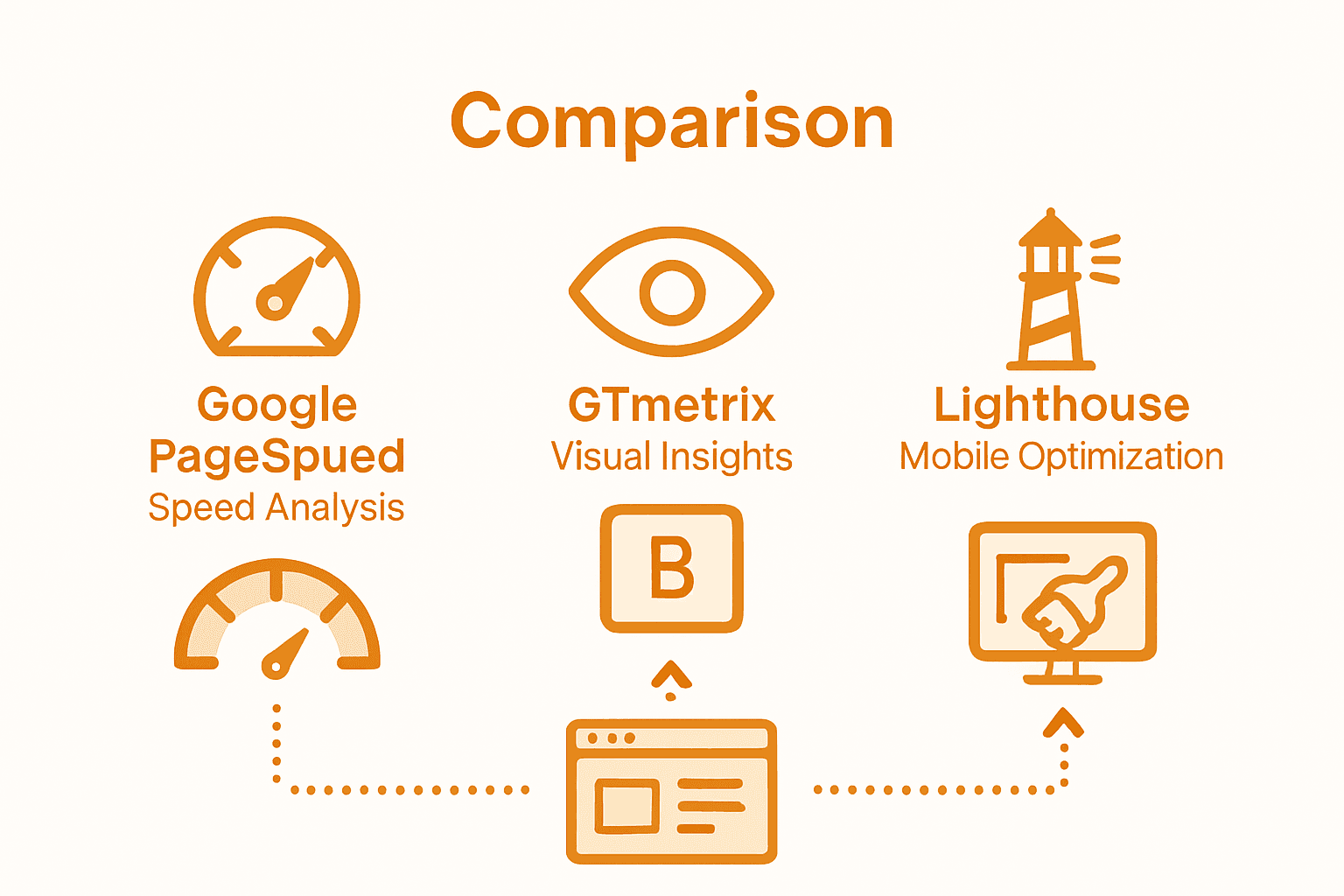
Use this comparison of popular website testing tools for performance measurement:
| Tool | Strengths | Best for |
|---|---|---|
| Google PageSpeed | Actionable improvements, mobile focus | Quick audits, mobile optimization |
| GTmetrix | Detailed waterfall analysis | In-depth speed diagnostics |
| WebPageTest | Multi-device and location testing | Comprehensive global performance |
Conduct thorough cross-device and cross-browser testing to ensure consistent performance. Simulate different network conditions to understand how your website performs under varied connectivity scenarios. This comprehensive approach will help you identify and address potential performance bottlenecks that could deter potential modular construction clients from engaging with your online platform.
Pro tip: Schedule monthly performance audits to continuously monitor and incrementally improve your website’s speed and user experience, treating optimization as an ongoing process rather than a one time project.
Elevate Your Builder Website With Cutting-Edge 2025 Trends
Keeping up with fast-changing web design trends can feel overwhelming especially when your goal is to generate more qualified leads and showcase your modular construction expertise flawlessly. This article highlights key challenges like optimizing for mobile usability speeding up load times and integrating AI-driven automation — all essential steps to create a modern trustworthy online presence that converts visitors into high-value clients.
At BoxBuild Agency we specialize in helping builders like you apply these advanced strategies effectively. Our team combines industry insight with data-driven marketing to build responsive funnels that guide your visitors seamlessly from discovery to decision. Leveraging the latest in AI and strategic Google Ads, we enhance your website performance and lead generation capabilities so you stay ahead in a competitive market.
Discover how to transform your builder website with proven digital solutions.
Ready to implement these 2025 trends and watch your modular projects attract more qualified leads now Visit BoxBuild Agency to start building your future-proof digital growth strategy today with expert support tailored to your off-site construction business.
Frequently Asked Questions
How can I assess my current builder website against 2025 trends?
To assess your builder website, conduct a comprehensive audit focusing on visual design, user experience, functionality, and accessibility. Start by evaluating your site against key design principles like minimalistic design and responsive layouts within one month.
What are the essential design features to integrate for modular construction?
Integrate a grid-based layout and responsive elements that reflect the modular construction style. Aim for a clean, organized design and ensure information is broken down into digestible modules to enhance user navigation.
How can I optimize my builder website for speed and mobile usability?
To optimize your website, focus on core performance metrics by implementing lazy loading and compressing images. Complete this optimization within 30 days to create a fast, touch-friendly mobile experience for users.
What types of automation and AI-driven tools should I implement on my builder website?
Consider integrating AI-powered chatbots for instant client responses, and machine learning algorithms to personalize content based on user behavior. Start integrating these tools to streamline interactions within a month.
How do I test and verify the performance of my new builder website?
Test your website performance using multiple analytical tools to measure metrics like page load speed and user experience. Conduct these tests regularly, ideally once a month, to identify and resolve performance issues.